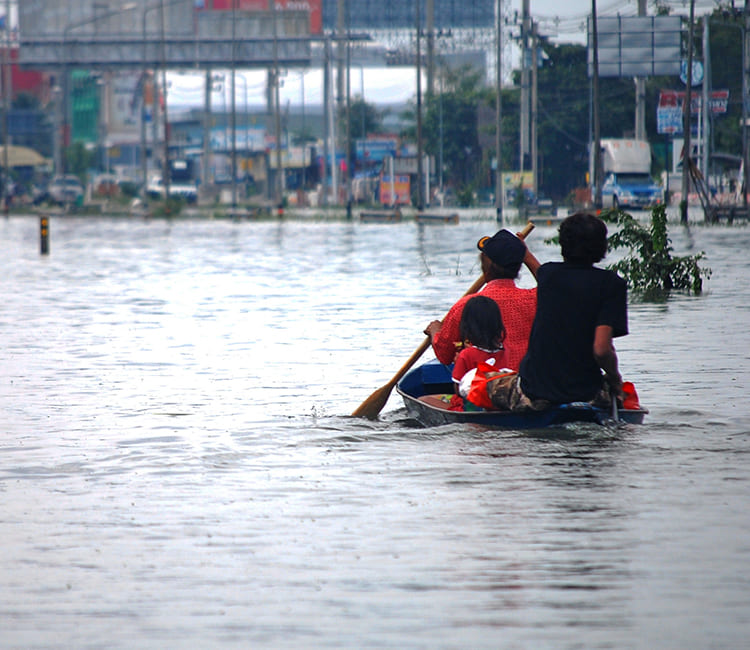
As you drive along the Nakuru–Eldoret highway, a familiar scene plays out daily. Very young children line up along the roadside, while some run after cars and public service vehicles selling sugarcane, roasted maize, water bottles, among other things. In the eyes of a passerby, it may seem like a harmless hustle, even an admirable initiative. Those who have a bit of conscience may sympathize with them, and that’s the end of it. As harmless and as insignificant as it may seem, it continues to be a deeper crisis that Kenya continues to normalize, child labor.
It’s easy to overlook. After all, millions of children in Kenya attend school, and the assumption that the child labor crisis is under control persists. But if you take a closer look, you will realize that some of those same children will leave class and head to building sites. Others will rise before dawn to sell goods on the roadside, or spend weekends helping parents in quarries, or gold mines. Worse still, more remain invisible as they are kept at home to care for younger siblings or elderly guardians. They are sidelined from both education and childhood.
The Reality That Stays with Us
At the Loyola Centre for Media and Communications, LCMC, our projects often take us along this same highway from Nairobi to Eldoret. On one of those trips, we stopped to buy sugarcane from a boy by the roadside. Our manager, Joy Kesenwa, asked why he wasn’t in school. His answer was simple: “I have been sent home since I have a huge fee balance.”
Weeks later, on another trip, we saw him again. This time, he said he was home since schools were closed. They weren’t. His mother was nearby, and let’s just say, the look she gave us could have roasted the sugarcane. On the third trip, we passed the very spot. He was gone. Whether he had returned to school or was hidden away after being recognized, we may never know. But what we do know is that his story is not unique. It’s repeated, reshaped, and ignored across the country every day.
The question that haunts children like him is,
“If I don’t work, what will I eat?”
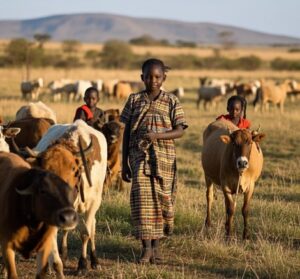
In Northern Kenya, where we also run children-centered projects, retrogressive culture denies kids the chance to study and play. In some communities, going to school is considered foolish, while herding livestock is seen as a sign of intelligence. “You’re smart,” they say, “if you bring the cows and goats home safely. Not if you sit in a classroom.”
In Nairobi, while promoting our campaign on the Child Labor Vs. the Right to Play Project, we were told outright, “If you want these kids to play, give them an alternative to making money.”
The Hidden Cost of Survival
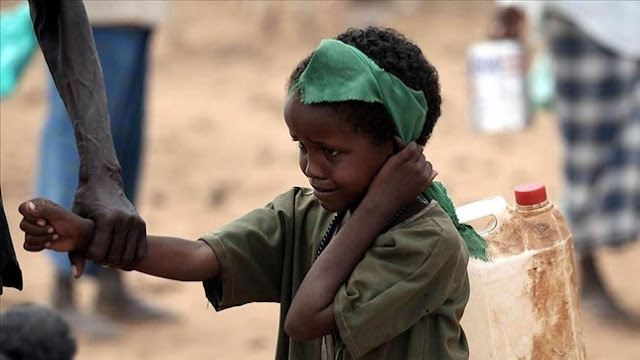
In Kenya, child labor is not just about exploitation. It’s about survival. Data from the Kenya National Bureau of Statistics (KNBS) shows that 8.5 percent of children, or 1.3 million children are engaged in child labor with many working under hazardous conditions that put their health and safety at risk. For many of these households, children are viewed not only as dependents but as contributors to the family. School and play become luxuries in a world where food is uncertain.
Article 53 of Kenya’s Constitution guarantees free basic education for every child. This is reflected in the Education Act, which ensures that schools have the support, resources, and leadership they need to offer free education to all children. However, a research from UNICEF 2022 indicates secondary school enrolment nationwide sits at just over 50%. Additionally, 2.5 million children aged 4-17 have never been to school, which is in part attributed to hidden costs. Even when school is technically “free,” hidden costs like uniforms, books, lunch, and exams make it unaffordable. As a result, many children and parents don’t see education as a path out of poverty, but as another burden. As a result, they turn to work that brings immediate returns.
This year’s Day of the African Child theme, “Planning and Budgeting for Children’s Rights”, hits at the heart of the matter. Until we address the poverty that fuels child labor, the problem will remain. Children will continue to choose maize over math, hard labor over homework, not because they want to, but because they have to.
What is our national budget for child protection beyond the printed figures? What is our survival plan when a child is forced to become the breadwinner? Since 2010, how much progress have me made? How far have we really come?
Budgeting for Paper or People?
While policy conversations around children’s rights grow louder, the implementation, especially in budgeting for practical support, still lags. If survival options are not available to struggling families, how can we expect children to stay in school and play, let alone thrive?
LCMC believes that child labor is not an isolated issue. It is a symptom of larger structural failures. One of the most overlooked yet effective solutions is Decent work for adults.
When parents earn a proper living, children can stay in school. When families have access to social protection, children are freed from the burden of contributing to household income. When we invest in communities, we give children a real shot at being just that. Children. Try to imagine how your childhood would have been if you were subjected to labor, and never had the chance to play and learn.
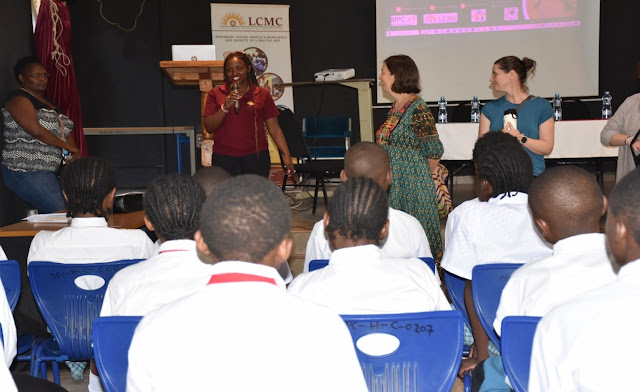
At LCMC, we’re on the frontline of this fight. Through our Value-Based Education program, we use artivism (performing arts for advocacy) to teach children their rights, empower their voices, and inspire social change. We’re working with schools and communities to challenge harmful norms, share stories safely, and campaign for solutions.
But advocacy alone is not enough. It’s time for budgeting that is child-centered, survival-conscious, and results-driven. It’s time for investment not just in promises, but in people. In playgrounds. In protection. In the possibility that every child deserves a life beyond labor. Because no child should have to choose between school and work.




As you drive along the Nakuru–Eldoret highway, a familiar scene plays out daily. Very young children line up along the roadside, while some run after cars and public service vehicles selling sugarcane, roasted maize, water bottles, among other things. In the eyes of a passerby, it may seem like a harmless hustle, even an admirable initiative. Those who have a bit of conscience may sympathize with them, and that’s the end of it. As harmless and as insignificant as it may seem, it continues to be a deeper crisis that Kenya continues to normalize, child labor.
It’s easy to overlook. After all, millions of children in Kenya attend school, and the assumption that the child labor crisis is under control persists. But if you take a closer look, you will realize that some of those same children will leave class and head to building sites. Others will rise before dawn to sell goods on the roadside, or spend weekends helping parents in quarries, or gold mines. Worse still, more remain invisible as they are kept at home to care for younger siblings or elderly guardians. They are sidelined from both education and childhood.
The Reality That Stays with Us
At the Loyola Centre for Media and Communications, LCMC, our projects often take us along this same highway from Nairobi to Eldoret. On one of those trips, we stopped to buy sugarcane from a boy by the roadside. Our manager, Joy Kesenwa, asked why he wasn’t in school. His answer was simple: “I have been sent home since I have a huge fee balance.”
Weeks later, on another trip, we saw him again. This time, he said he was home since schools were closed. They weren’t. His mother was nearby, and let’s just say, the look she gave us could have roasted the sugarcane. On the third trip, we passed the very spot. He was gone. Whether he had returned to school or was hidden away after being recognized, we may never know. But what we do know is that his story is not unique. It’s repeated, reshaped, and ignored across the country every day.
The question that haunts children like him is,
“If I don’t work, what will I eat?”
In Northern Kenya, where we also run children-centered projects, retrogressive culture denies kids the chance to study and play. In some communities, going to school is considered foolish, while herding livestock is seen as a sign of intelligence. “You’re smart,” they say, “if you bring the cows and goats home safely. Not if you sit in a classroom.”
In Nairobi, while promoting our campaign on the Child Labor Vs. the Right to Play Project, we were told outright, “If you want these kids to play, give them an alternative to making money.”
The Hidden Cost of Survival
In Kenya, child labor is not just about exploitation. It’s about survival. Data from the Kenya National Bureau of Statistics (KNBS) shows that 8.5 percent of children, or 1.3 million children are engaged in child labor with many working under hazardous conditions that put their health and safety at risk. For many of these households, children are viewed not only as dependents but as contributors to the family. School and play become luxuries in a world where food is uncertain.
Article 53 of Kenya’s Constitution guarantees free basic education for every child. This is reflected in the Education Act, which ensures that schools have the support, resources, and leadership they need to offer free education to all children. However, a research from UNICEF 2022 indicates secondary school enrolment nationwide sits at just over 50%. Additionally, 2.5 million children aged 4-17 have never been to school, which is in part attributed to hidden costs. Even when school is technically “free,” hidden costs like uniforms, books, lunch, and exams make it unaffordable. As a result, many children and parents don’t see education as a path out of poverty, but as another burden. As a result, they turn to work that brings immediate returns.
This year’s Day of the African Child theme, “Planning and Budgeting for Children’s Rights”, hits at the heart of the matter. Until we address the poverty that fuels child labor, the problem will remain. Children will continue to choose maize over math, hard labor over homework, not because they want to, but because they have to.
What is our national budget for child protection beyond the printed figures? What is our survival plan when a child is forced to become the breadwinner? Since 2010, how much progress have me made? How far have we really come?
Budgeting for Paper or People?
While policy conversations around children’s rights grow louder, the implementation, especially in budgeting for practical support, still lags. If survival options are not available to struggling families, how can we expect children to stay in school and play, let alone thrive?
LCMC believes that child labor is not an isolated issue. It is a symptom of larger structural failures. One of the most overlooked yet effective solutions is Decent work for adults.
When parents earn a proper living, children can stay in school. When families have access to social protection, children are freed from the burden of contributing to household income. When we invest in communities, we give children a real shot at being just that. Children. Try to imagine how your childhood would have been if you were subjected to labor, and never had the chance to play and learn.
At LCMC, we’re on the frontline of this fight. Through our Value-Based Education program, we use artivism (performing arts for advocacy) to teach children their rights, empower their voices, and inspire social change. We’re working with schools and communities to challenge harmful norms, share stories safely, and campaign for solutions.
But advocacy alone is not enough. It’s time for budgeting that is child-centered, survival-conscious, and results-driven. It’s time for investment not just in promises, but in people. In playgrounds. In protection. In the possibility that every child deserves a life beyond labor. Because no child should have to choose between school and work.
Share This:
LCMC
Loyola Centre for Media and Communications (LCMC) is a Jesuit apostolate in Eastern Africa that empowers children and youth through media, education, and formation. Rooted in faith and creativity, it builds resilience, leadership, and values for a purposeful and ethical life.
Related Posts
As you drive along the Nakuru–Eldoret highway, a familiar scene plays out…
The Loyola Centre for Media and Communications (LCMC) is converting children into…
The Loyola Centre for Media and Communications (LCMC), in collaboration with the…
On 24th January 2026, the Loyola Centre for Media and Communications (LCMC)…
Play is more than just fun; it is a fundamental right that…
The ultimate goal of the forum was to enable young care leavers…
In a world that’s increasingly complex, understanding the multifaceted processes ...
In a quiet neighborhood in Nairobi, a family was torn apart by…
For some time now, we’ve been grappling with questions about how deeply…
Consider how frequently you see young people absorbed in their ...