
The Loyola Centre for Media and Communications (LCMC), an apostolate of the Jesuits of Eastern Africa, empowers children and youth through media and value-based formation. We nurture leadership and talent directly, while equipping parents, teachers, and caregivers to support holistic growth.
Need Any Help? Or Looking For an Agent
Copyright © 2026. All Rights Reserved.
The Loyola Centre for Media and Communications (LCMC), an apostolate of the Jesuits of Eastern Africa, empowers children and youth through media and value-based formation. We nurture leadership and talent directly, while equipping parents, teachers, and caregivers to support holistic growth.
Need Any Help? Or Looking For an Agent
Copyright © 2026. All Rights Reserved.
Places We Work !
Shaping Value-Driven Generations Across Eastern Africa
Loyola Centre for Media and Communications is a Jesuit initiative fostering resilient, value-driven youth across Eastern Africa through media, faith formation, and education for personal and social transformation.

LCMC, Riara Lane, off Riara Road at Hekima University College.
Mail Us:
Call Us:
Recent Posts
September 24, 2026

September 10, 2026
Gallery

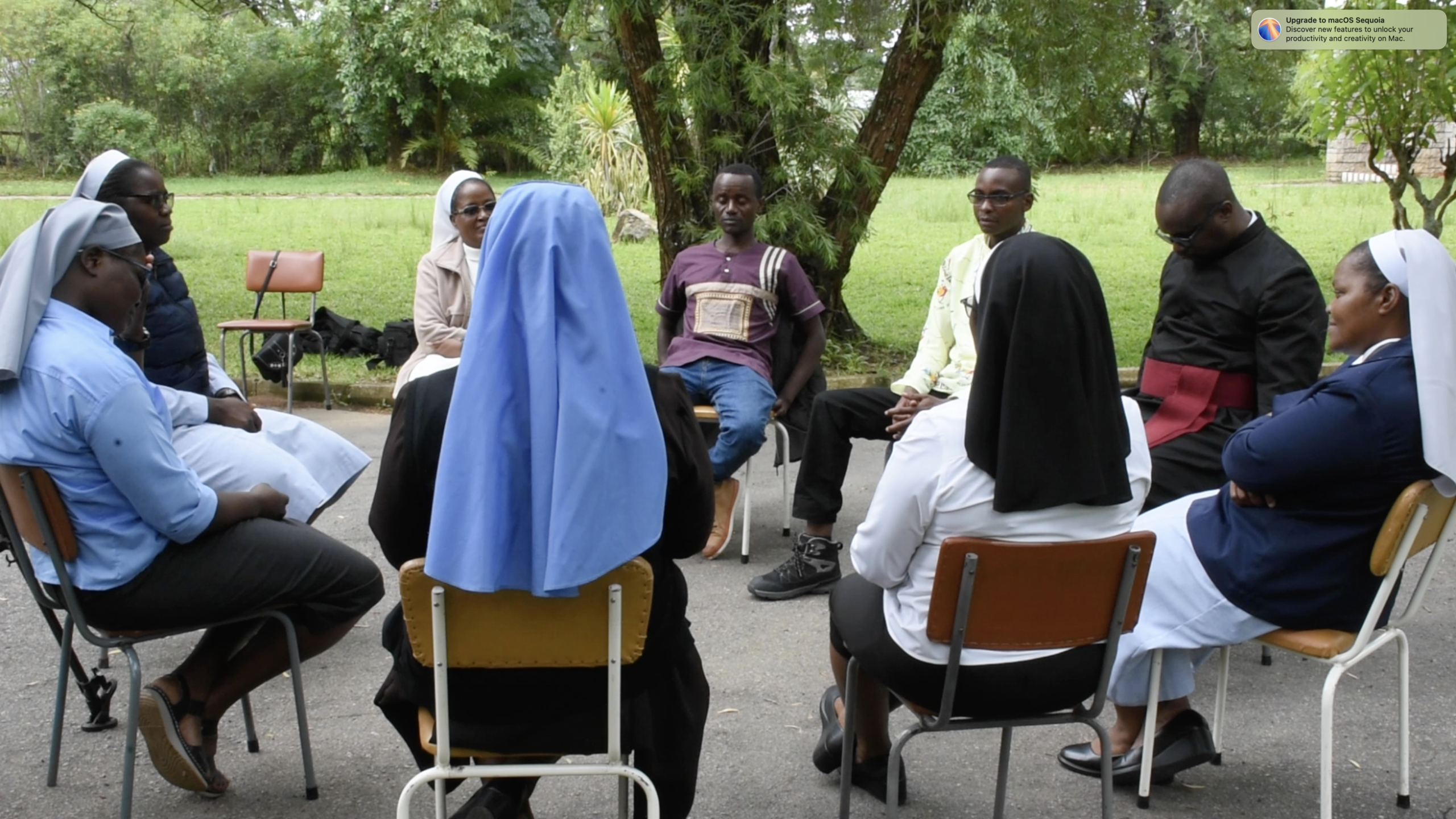
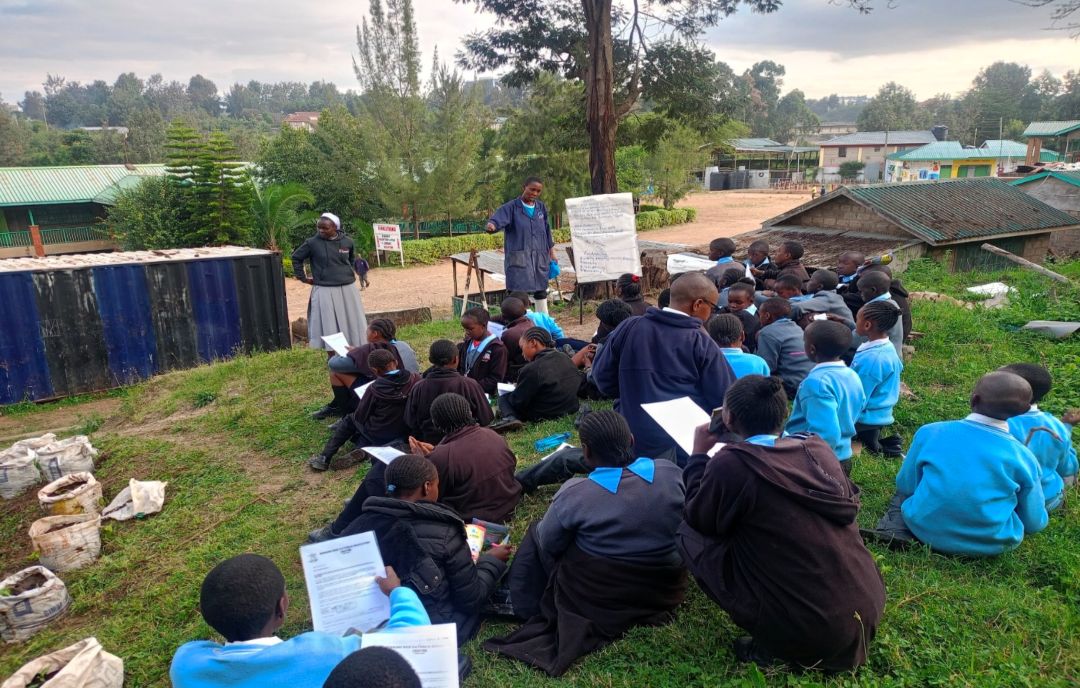

Rooting for Children’s Ecological Rights
Project Overview
The Rooting for Children’s Ecological Rights project, implemented by the Loyola Centre for Media and Communications (LCMC) in partnership with DKA Austria, was designed to empower children to understand, claim, and advocate for their right to a clean, safe, and healthy environment.
Building on earlier environmental club initiatives, the project expanded its reach to multiple institutions across Nairobi and Kajiado, equipping children with knowledge, practical skills, and platforms to actively participate in environmental conservation and advocacy. By combining education, creativity, and hands-on action, the project positioned children not just as beneficiaries, but as leaders in driving ecological justice within their schools and communities.
Medi, Children & Identity Formation
May 25, 2024
Children
Implementation Approach
Children were trained on environmental rights, climate change, and sustainability through structured mentorship sessions. These sessions emphasized both knowledge and responsibility, helping children understand their role in protecting the environment while building their confidence to speak up and take action.
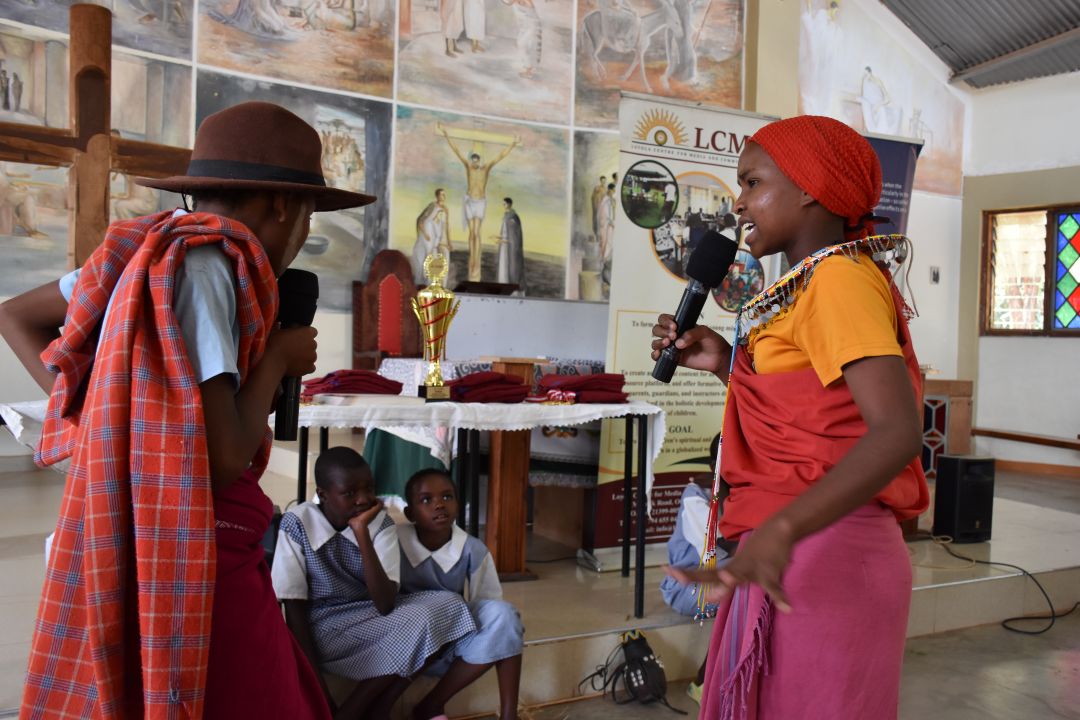
A key component of the approach was the use of media and creative expression as advocacy tools. Through poems, dramas, letters, posters, and digital content, children translated environmental issues into powerful messages targeted at peers, communities, and policymakers. This creative process strengthened their communication skills while amplifying their voices.
The project also prioritized experiential learning, ensuring that children actively practiced what they learned. Activities included:
These hands-on interventions deepened understanding and fostered a sense of ownership and responsibility.
Equally important was the project’s strong emphasis on partnerships and dialogue. Children engaged directly with stakeholders, including government agencies such as NEMA, educators, faith-based organizations, and civil society, through mentorship sessions and online summits. These platforms enabled children to ask critical questions, influence conversations, and participate in decision-making processes related to environmental issues.
To ensure sustainability, the project invested in teacher training and developed child-friendly learning materials, including a comprehensive environmental education guide to support continued learning beyond the project lifecycle.
Key Achievements
The project led to significant transformation in knowledge, behavior, and engagement among children and their communities.
Children demonstrated a strong understanding of their environmental rights and responsibilities, alongside increased confidence to advocate for change. They became more articulate, engaged, and proactive in addressing environmental challenges within their schools and communities.
Practical actions reinforced this transformation. Children actively participated in environmental conservation efforts, including:
Creative and advocacy outputs further amplified impact. Children produced:
The project also strengthened collaboration between key actors, schools, government agencies, NGOs, and faith institutions, creating a supportive ecosystem for advancing children’s environmental rights.
Importantly, teachers and institutions were equipped with the tools and knowledge needed to sustain the initiative, ensuring continuity beyond LCMC’s direct involvement.
Conclusion
The project demonstrated that when children are equipped with knowledge, practical skills, and platforms for engagement, they can become powerful advocates for environmental justice. By integrating education, creativity, and action, the initiative not only increased awareness but also inspired lasting behavioral change and community involvement.
Ultimately, the project laid a strong foundation for a generation of environmentally conscious young leaders who are ready to protect their environment and influence sustainable practices within their communities.
Share This:
Related Portfolios
Education
Education
Justice
Environment
Children