Children's Rights Vs Child Labor
Project Overview
The Child Labor Vs Right to Play Advocacy Project, implemented by the Loyola Centre for Media and Communications (LCMC) in partnership with DKA Austria, was designed to empower children to become advocates for their rights and the rights of their communities.
Building on a successful first phase that focused on awareness creation, this phase shifted toward child-led advocacy, equipping young people with the skills, confidence, and platforms to speak out against child labor and promote the right to play. Implemented across schools in Nairobi, the project recognized that children are not only beneficiaries of change, but powerful drivers of it.
At its core, the initiative addressed the interconnected challenges of poverty, lack of decent work for adults, and limited access to safe play spaces, all of which contribute to child labor and the denial of childhood.
Program
Media, Children & Identity Formation
Date
May 20, 2024
Category
Children
Share project
Implementation Approach
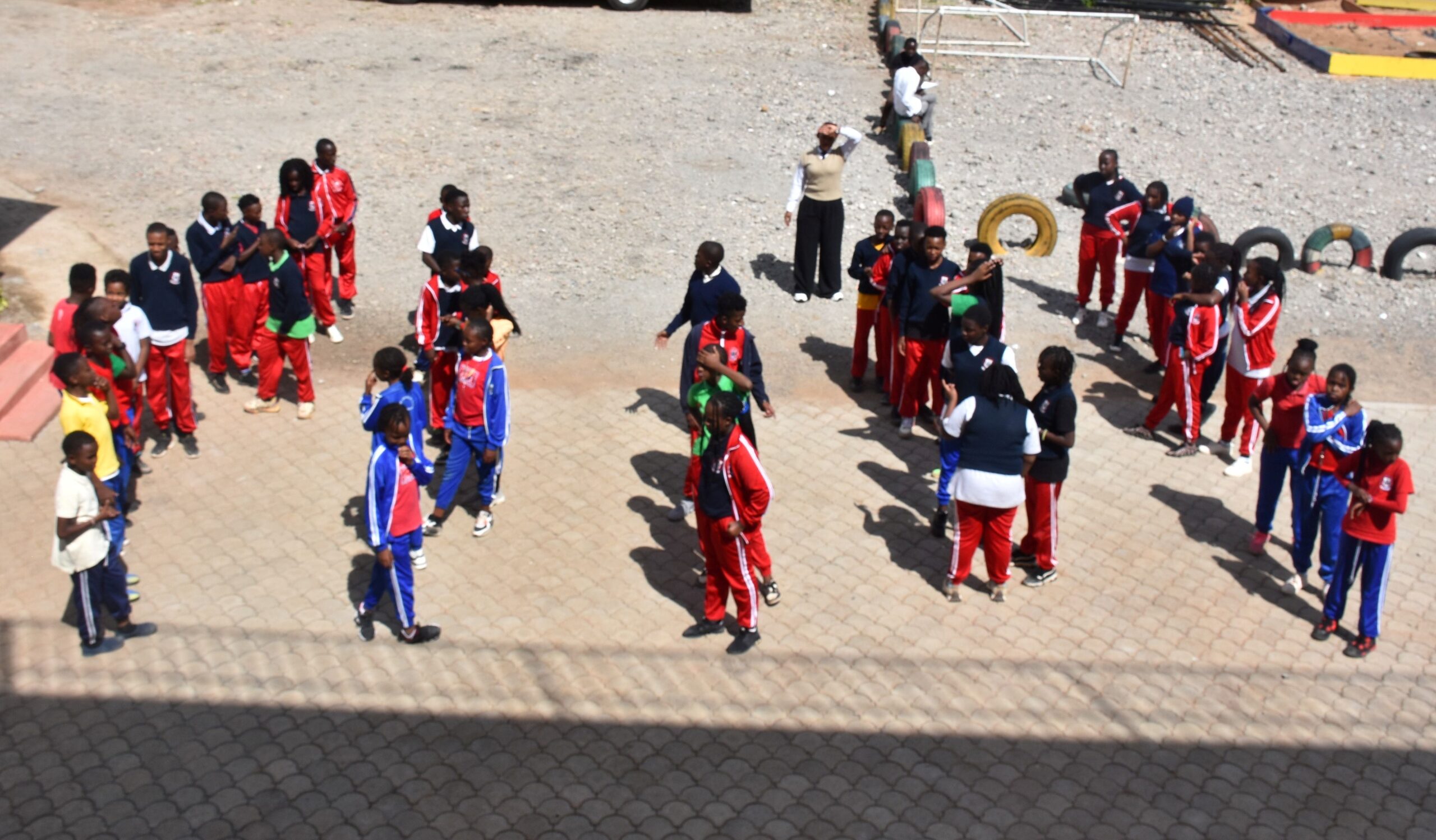
The project engaged students through a structured and participatory process that combined advocacy training, creative expression, and community engagement.
Young people were taken through a series of mentorship sessions where they explored issues of child labor and the right to play, while also building essential skills in critical thinking, communication, and leadership. A strong emphasis was placed on artivism, the use of art as a tool for advocacy, enabling students to translate complex social issues into compelling messages.
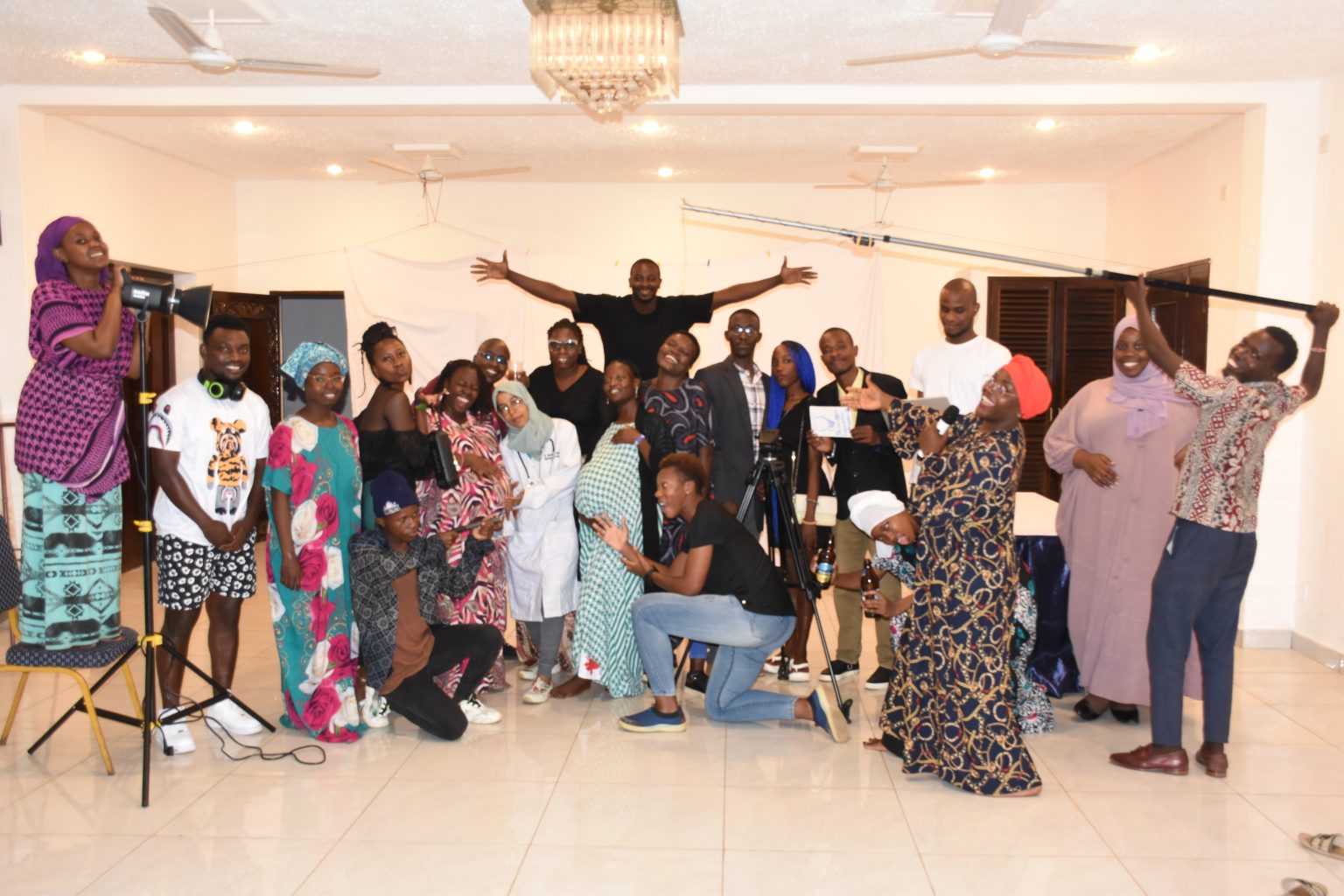
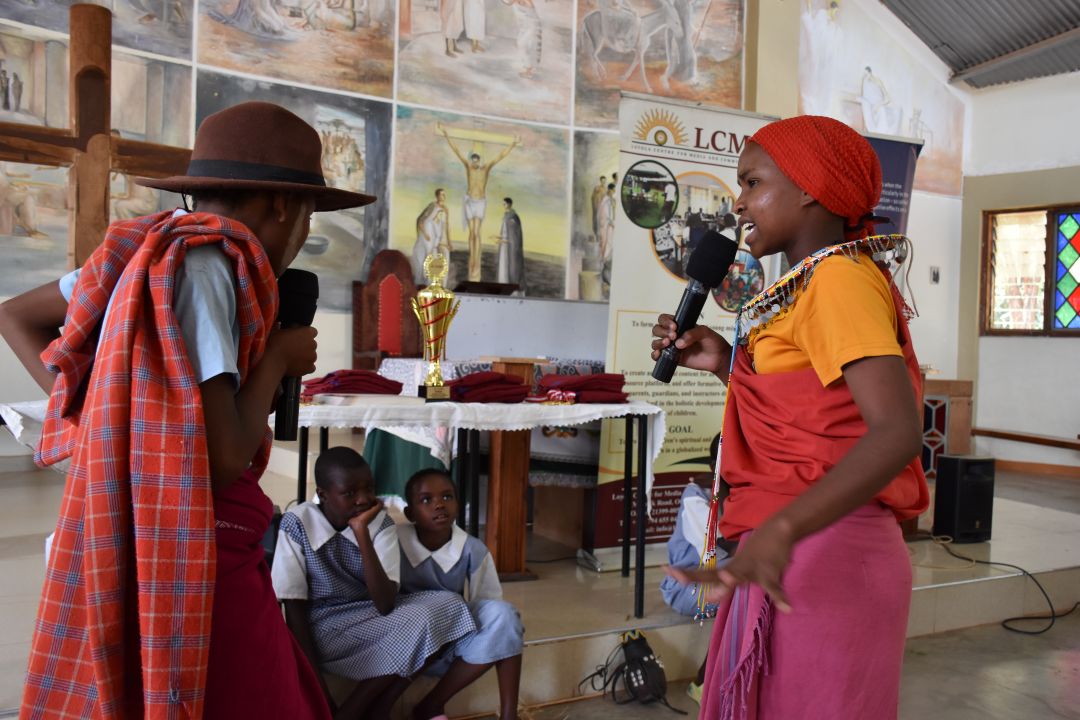
Through creative mediums such as music, drama, poetry, visual art, and digital storytelling, students developed content that reflected their lived realities and aspirations. This creative process not only deepened their understanding of the issues but also strengthened their ability to influence others.
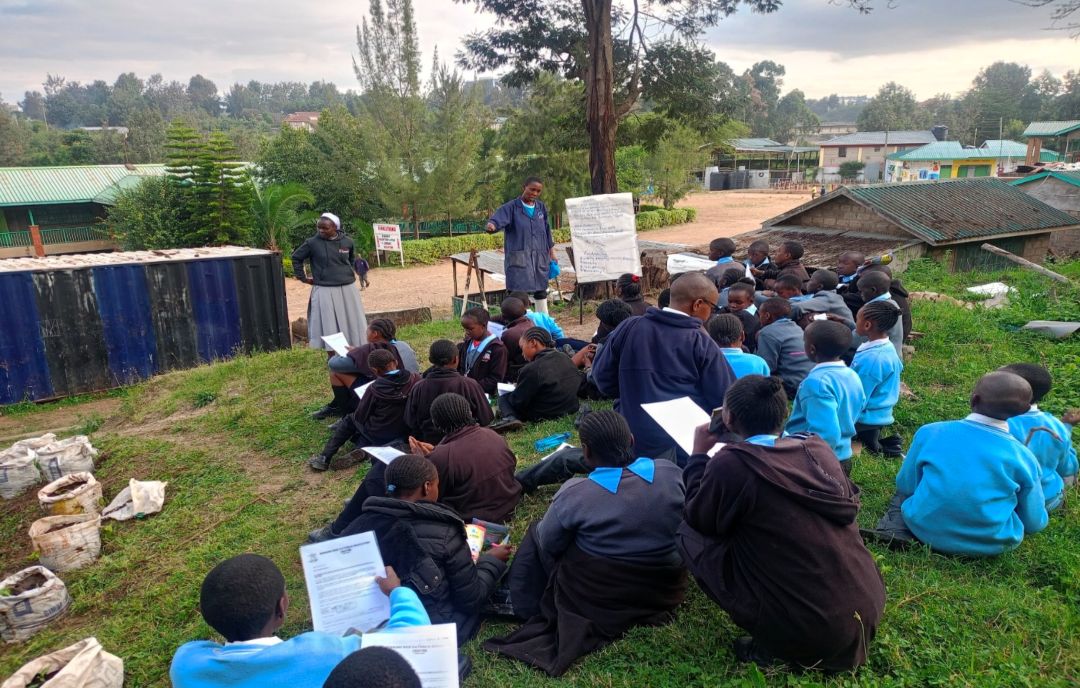
The project extended beyond the classroom into the community. Students organized workshops, discussions, and exhibitions where they engaged their peers, parents, teachers, and local leaders in conversations about child labor and the importance of play. Advocacy campaigns, including petitions and direct engagement with local authorities, provided practical avenues for children to demand change and promote decent work for adults as a pathway to ending child labor.
In addition, documentation through interviews and audio-visual productions captured the voices and perspectives of participants, ensuring that their messages could reach wider audiences.
Key Achievements
The project contributed to both personal transformation and broader social impact.
Children emerged as confident advocates, with an increased ability to articulate their rights and engage in meaningful dialogue on social issues. They demonstrated strengthened skills in leadership, creativity, and communication, positioning them as active participants in shaping their environments.
There was also a noticeable shift in awareness and attitudes within schools and communities. Conversations around child labor and the right to play became more visible and participatory, with increased engagement from parents, teachers, and local administration.
Creative outputs, including performances, advocacy videos, and artistic works, served as powerful tools for education and influence, amplifying children’s voices and inspiring action among their peers and communities.
Importantly, the project fostered stronger collaboration between children, families, schools, and local leaders, contributing to a more supportive environment for child protection and development.
Key results included:
-
- 90 students directly trained in advocacy and artivism
- Engagement of over 1,500 students through performances and outreach
- Increased community awareness and participation in child rights discussions
- Child-led advocacy actions, including petitions and community dialogues