Bridging the Generational Gap: Understanding Gen Z’s desire to be Heard
By Sr. Lydia Mukari, SMK
Generations come and go leaving a permanent mark on the world. In our present era characterized by generational differences, we witness a departure from the traditional dynamics where elders held unquestionable authority. In times past, the younger generation would listen more and speak less when elders spoke. However, this paradigm is shifting.
Today, we find ourselves navigating a landscape where Generation Z have stepped onto the stage with a desire to be heard, to be acknowledged by their older counterparts. As the world undergoes rapid transformation, Gen-Z seeks recognition and mutual understanding from the older generations. They aspire to be understood just as the older generation yearns for reciprocation in this shared journey through the changing world.
This generation, born between the mid-1990s and early 2010s, is characterized by its tech savvy, a result of growing up in the age of smartphones and social media. Their worldview blatantly contrasts with that of the older generation, which came of age with limited or no exposure to technology. The influence of their experiences on social media platforms shapes their thinking.
Consequently?
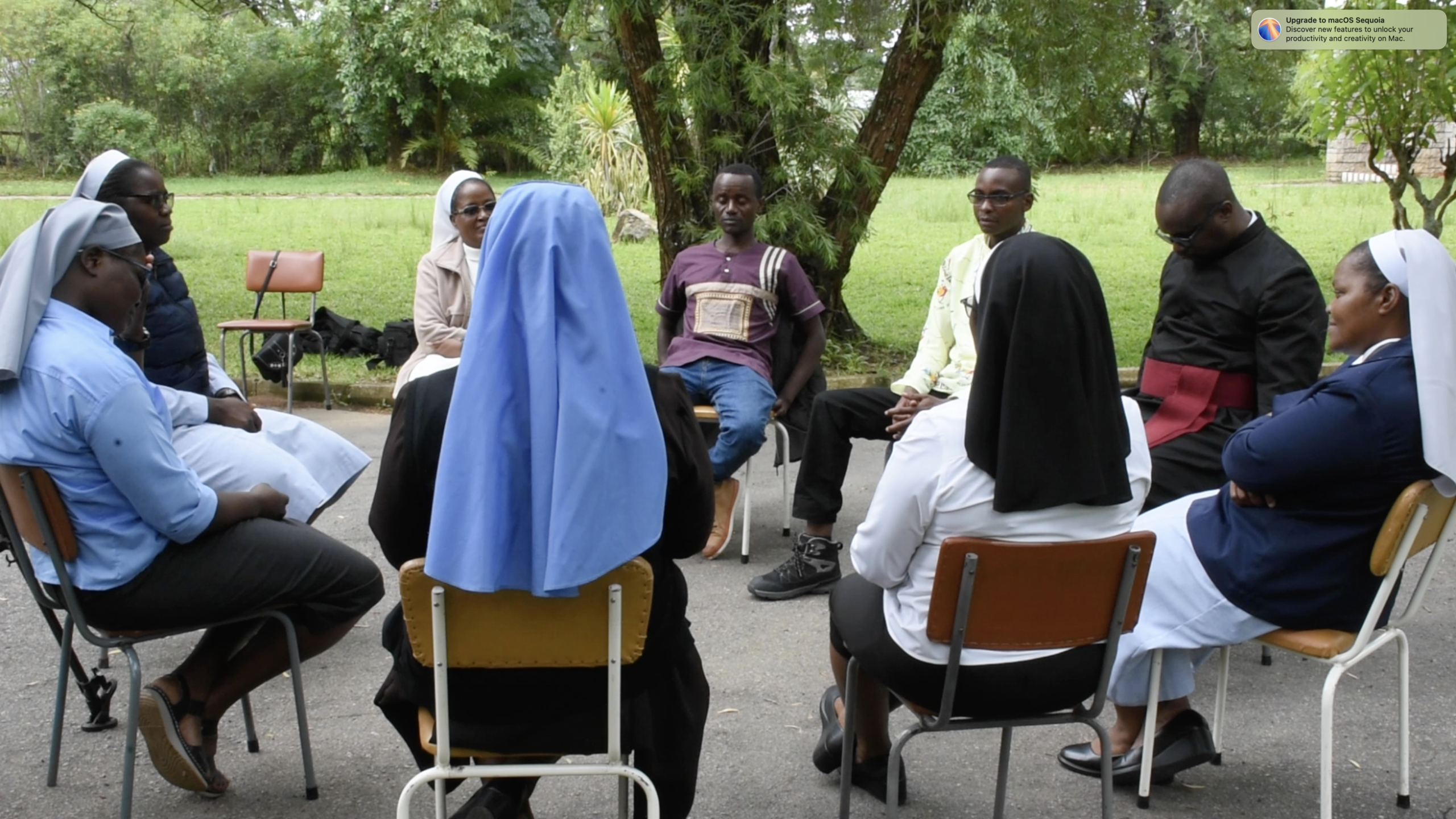
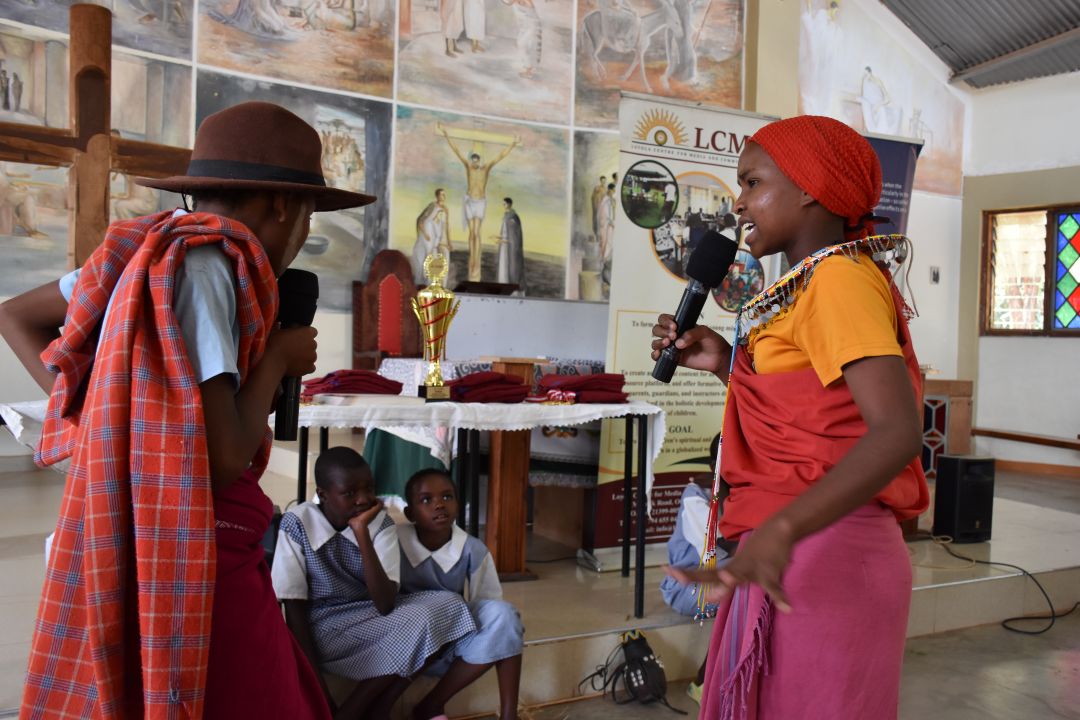
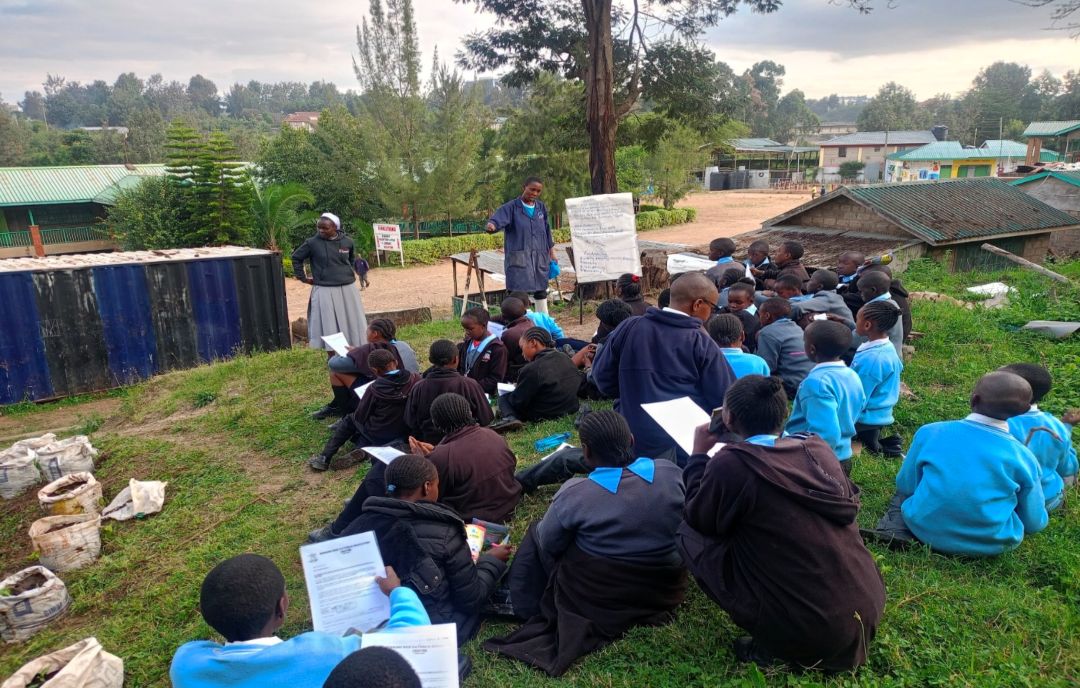
Consequently, generational differences lead to a clash of values between Gen-Z and the older generation. While the older generation may perceive the younger ones as lacking in values, the younger generation consistently feels excluded. Their plea is for dialogue, an opportunity to contribute, be heard and understood as equals during decision making. They are asking to also sit on the table where decisions are made.
Conversely, the older generation feels disrespected and discriminated against by the younger one. They, too, desire to be listened to, included, and respected by the Gen-Z.
How can the older generation and the Gen-Z co-exist?
For these diverse generations to co-exist harmoniously, there is a crucial need for mutual acceptance of their differences and an appreciation for the unique perspectives each brings to the table. Engaging in open and respectful dialogue is paramount in bridging the generational gap. While the elders contribute wisdom drawn from their life experiences, Gen Z brings in fresh perspectives and creative solutions to contemporary problems.
It is evident that Gen Z’s desire to be heard is not a clash but an invitation to build bridges between the generations. This bridging can be achieved through open dialogue, respect for diverse thoughts, and the embracing of empathy. By doing so, these generations can coexist harmoniously, forming a society that treasures lessons from the past, as well as creativity of the future.



Bridging the Generational Gap: Understanding Gen Z’s desire to be Heard
By Sr. Lydia Mukari, SMK
This generation, born between the mid-1990s and early 2010s, is characterized by its tech savvy, a result of growing up in the age of smartphones and social media. Their worldview blatantly contrasts with that of the older generation, which came of age with limited or no exposure to technology. The influence of their experiences on social media platforms shapes their thinking.
Consequently?
Consequently, generational differences lead to a clash of values between Gen-Z and the older generation. While the older generation may perceive the younger ones as lacking in values, the younger generation consistently feels excluded. Their plea is for dialogue, an opportunity to contribute, be heard and understood as equals during decision making. They are asking to also sit on the table where decisions are made.
Conversely, the older generation feels disrespected and discriminated against by the younger one. They, too, desire to be listened to, included, and respected by the Gen-Z.
How can the older generation and the Gen-Z co-exist?
It is evident that Gen Z’s desire to be heard is not a clash but an invitation to build bridges between the generations. This bridging can be achieved through open dialogue, respect for diverse thoughts, and the embracing of empathy. By doing so, these generations can coexist harmoniously, forming a society that treasures lessons from the past, as well as creativity of the future.
Share This:
Related Posts
Who Is a Human in the Era of AI? Dr. Mokua Challenges…
UNICEF Estimates That 20 Million Children Experienced Online Sexual Exploitation or Abuse…
The Future Is Intelligent. Is Your Team Ready? Artificial intelligence is no…
Don’t make children feel like Failures The mission of Loyola Centre for…
Mombasa’s Young Adults Embrace Digital Careers with Skills in Performance Art and…
Catholic Child Care Leaders Showcase Photography Skills to Elevate Visual Storytelling In…
AI Training Ushers in a New Era for Parish Communication By Teresia…
From Resistance to Discernment: The Church and AI By Teresia Muia As…
Making of Teenage Servant Leaders By Teresia Muia “Effective communication and conflict…