
Social Justice for Children & Young People in Samburu
Project Overview
The Social Justice for Children and Young People in Samburu project, implemented by the Loyola Centre for Media and Communications (LCMC) in partnership with DKA Austria and with an extension from the Irish Jesuits International, was designed to empower children and youth to understand their rights, strengthen their personal development, and challenge harmful cultural practices within their communities.
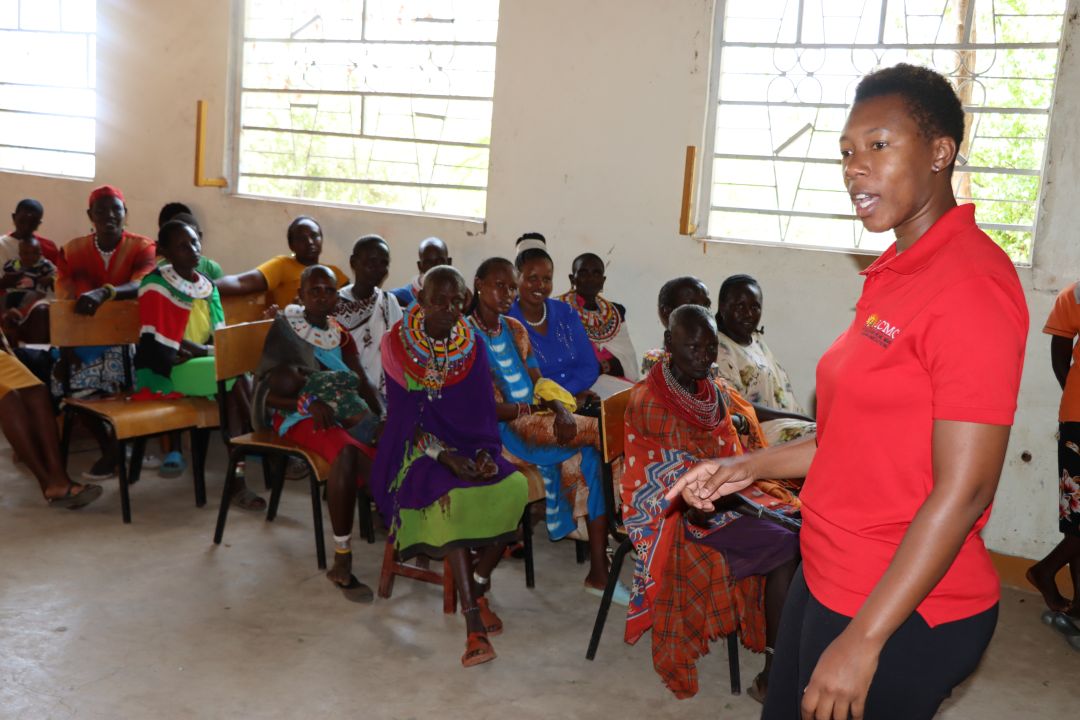
Delivered in Suguta Marmar, Barsaloi and Tuum, Samburu County, the project combined education, mentorship, and creative expression to create safe spaces where young people could engage critically with issues affecting their lives, ranging from Female Genital Mutilation (FGM) and early marriages to drug abuse and early pregnancies. By integrating learning with creativity, the project enabled young people to move from awareness to action.
Program
Media, Children & Identity Formation
Date
March 25, 2026
Category
Children, Justice
Share project
Implementation Approach
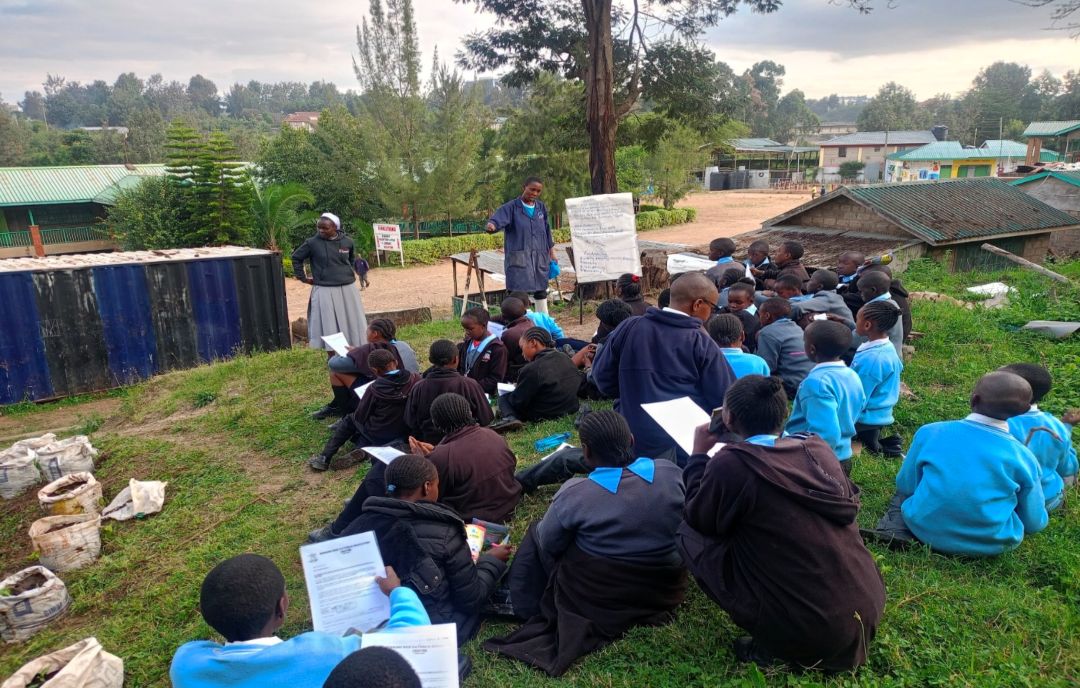
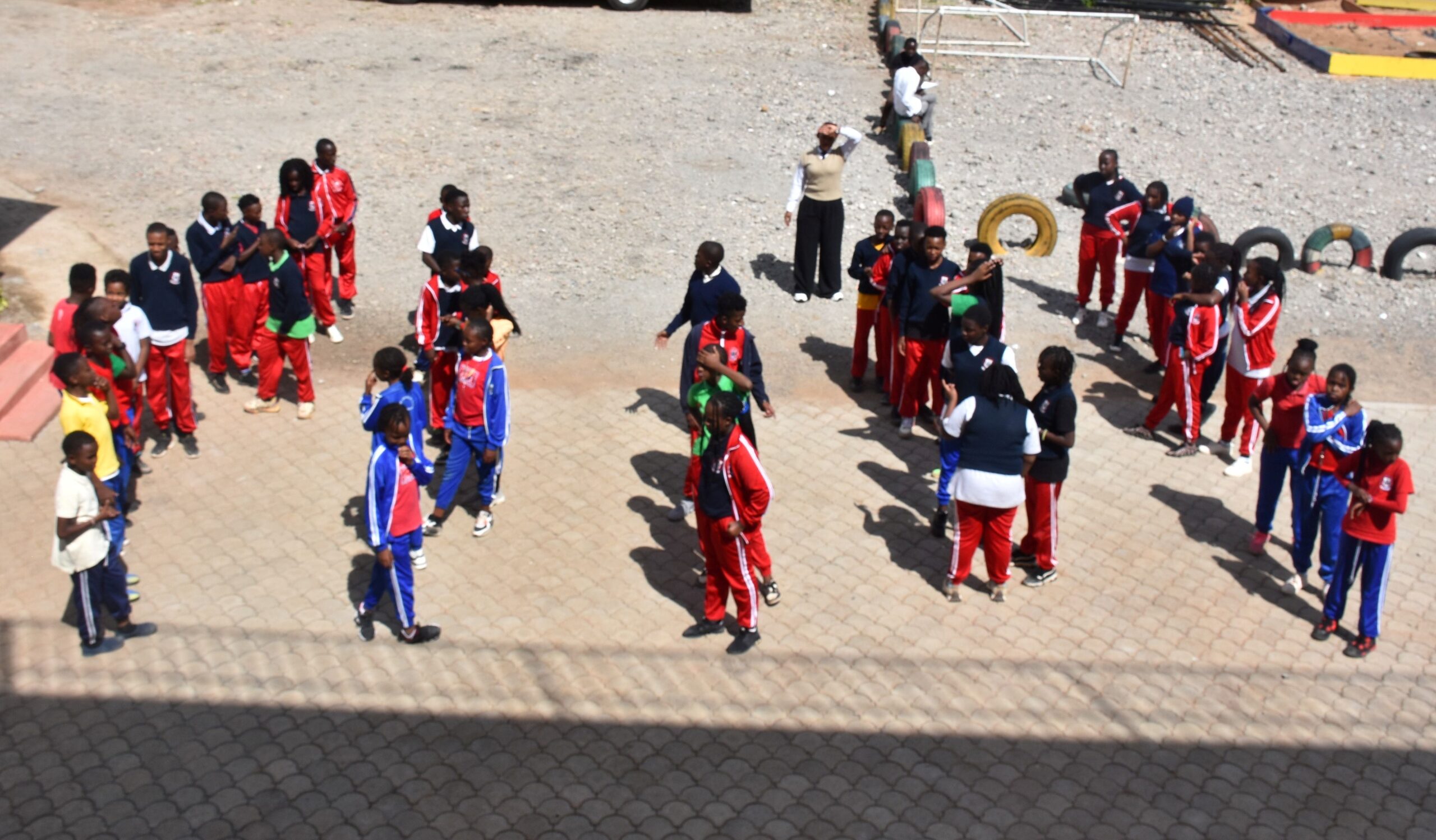
The project worked directly with pupils and students from Tuum (Tuum Girls High School and Tuum Primary School) , Suguta Marmar (Bishop Phillip Perlo Girls High School, Suguta Consolata Primary School) and Barsaloi (Barsaloi Primary and Barsaloi Mixed Secondary School), through a structured process of continuous training and mentorship. At the heart of this approach was a personal development framework built around six pillars:
-
- Self-awareness
- Trust in self
- Courage
- Freedom and responsibility
- Knowledge and skills
- Time and space
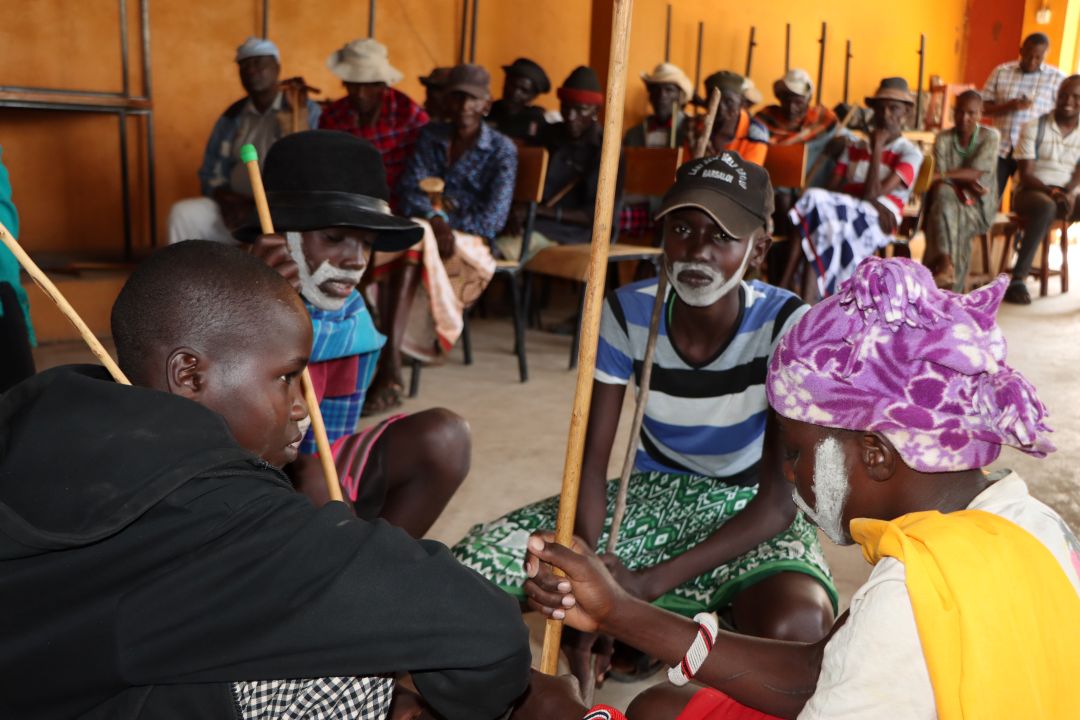
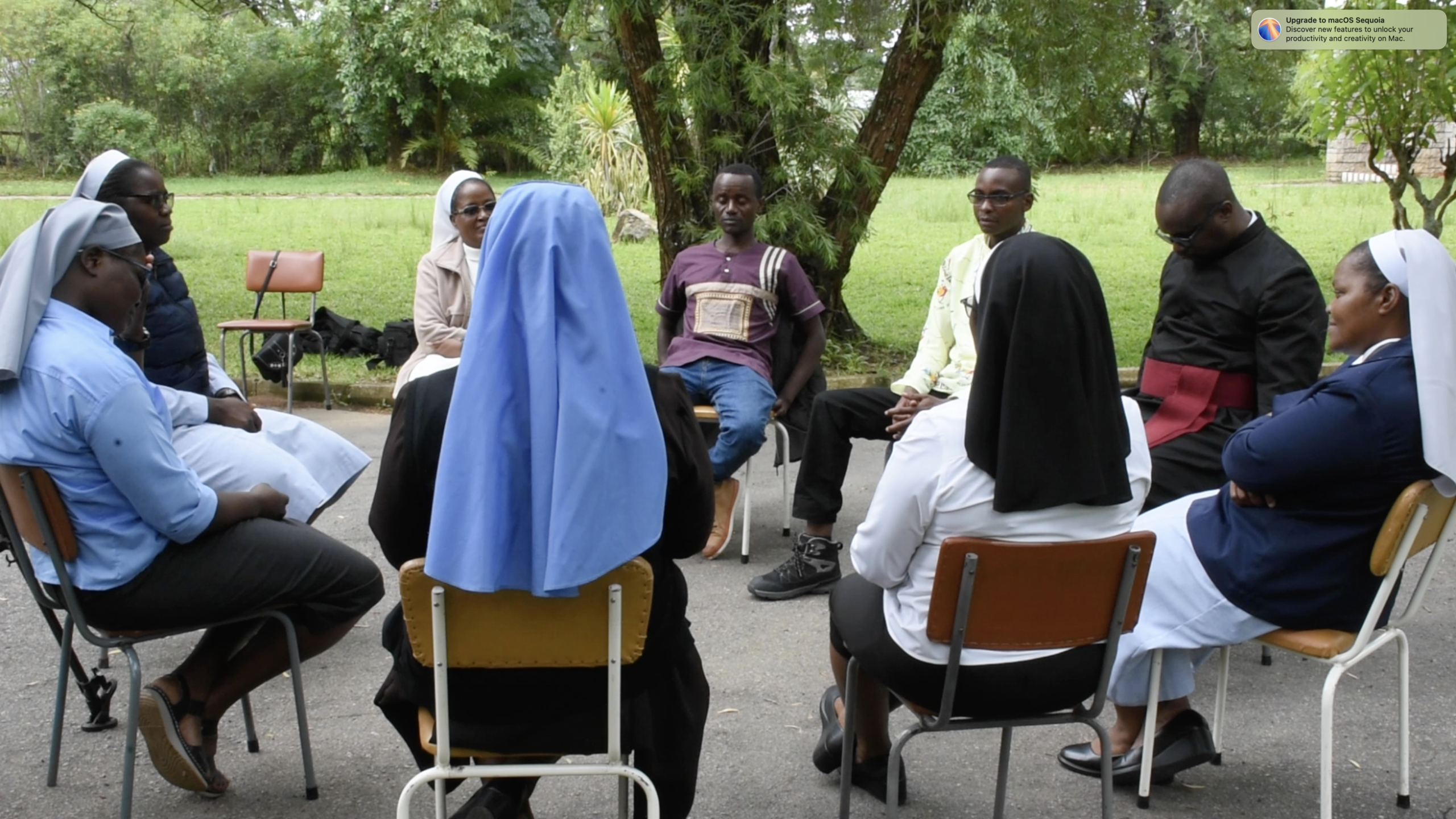
These pillars guided highly interactive sessions where students engaged in storytelling, role play, group discussions, and debates. The sessions created an open and supportive environment where sensitive topics, often deeply rooted in culture, could be discussed honestly and critically.
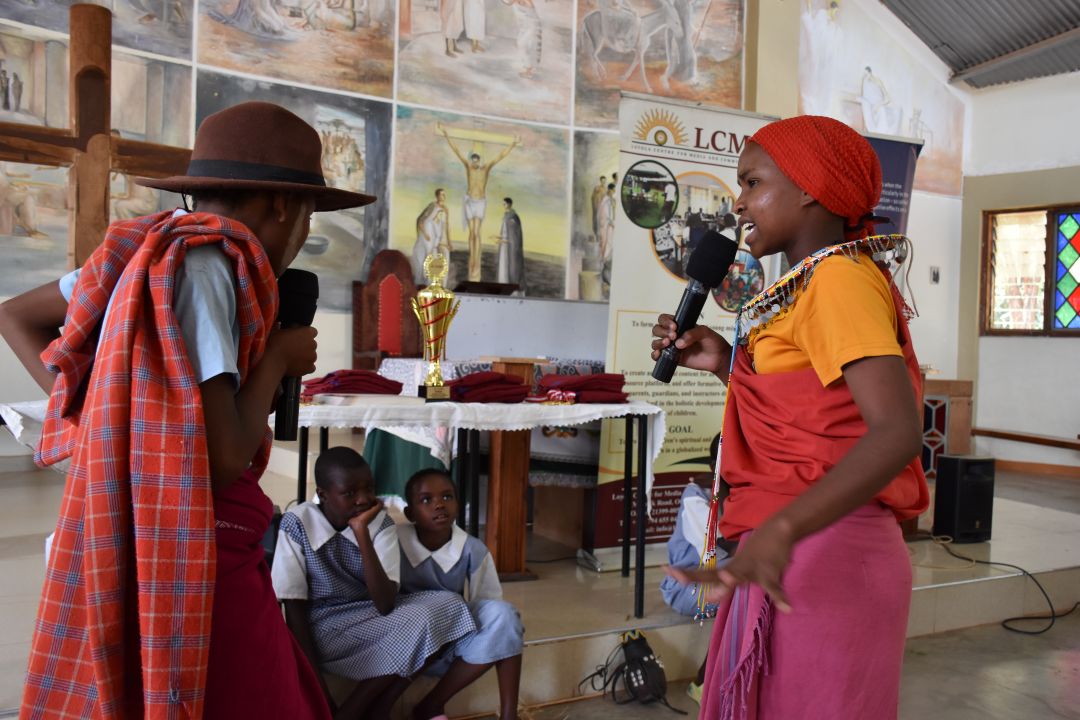
To deepen engagement, the project intentionally leveraged the creative talents of participants. Students were grouped based on their interests and expressed social justice issues through music, drama, visual arts, and debate. This approach transformed learning into lived experience, allowing young people to communicate complex issues in ways that were both relatable and impactful.
In parallel, the project developed a suite of multimedia resource materials, including narrative-driven videos, digital posters, and visual content. These materials captured student voices, their parents and also community perspectives, and key learning themes, extending the reach of the project beyond the classroom and into the wider community.
Key Achievements
The project resulted in meaningful transformation at both individual and community levels.
Young people demonstrated increased awareness of their rights and a stronger sense of personal agency. Many grew in confidence, becoming more articulate, expressive, and willing to engage in conversations around social justice. Issues that were once difficult to address, such as FGM, early marriage, and substance abuse, began to be openly discussed, signaling a shift in attitudes and norms among participants.
Creative expression emerged as a powerful advocacy tool. Through songs, performances, artwork, and debates, students were able to communicate their realities and aspirations, influencing their peers and sparking dialogue within their communities.
Additionally, the production of multimedia resource materials created a lasting impact. These resources provided educators, parents, and community leaders with accessible tools to continue conversations around child rights and social justice, ensuring that the project’s influence extends beyond its duration.
Conclusion
The project successfully demonstrated the power of combining education, creativity, and community engagement in advancing social justice. By equipping young people with knowledge, confidence, and platforms for expression, it nurtured a generation of emerging change-makers capable of questioning harmful practices and advocating for safer, more equitable communities.


Hello. Checking whether this is working...
I have been absent for some time, but now I remember why I used to love this website. Thanks, I will try and check back more often. How frequently you update your website?