History Positioning of the LCMC
Our Origins and Establishment
We were formally established in 2019 as a communication apostolate of the Society of Jesus in Eastern Africa. Our formation followed a long process of discernment dating back to the 1980s, when the Jesuit Province began exploring the role of media in advancing its mission of justice, education, and social transformation.
This vision took practical shape within the Jesuit Hakimani Centre, where we deployed media as a tool for civic education, advocacy, and public engagement. Over time, we developed a specialized production and training capacity that produced nationally broadcast programmes such as The Rally, The Chase, and Bomani, widely used for civic education, peacebuilding, and values formation across Kenya.
Recognizing the growing influence of media and the need for a dedicated institutional response, we transitioned this work into an independent centre. Between 2018 and 2020, we established LCMC with dedicated leadership, infrastructure, and a clear apostolic mandate. This marked a strategic shift from media as a support function to media as a core formation infrastructure within our Jesuit mission.
Contextual Shifts and Emerging Opportunities
We are operating in a rapidly transforming environment where media, digital platforms, and artificial intelligence have become the primary spaces through which young people learn, express themselves, and engage society. These developments represent one of the most significant opportunities for human development in our time.
Media and digital technologies are expanding access to knowledge, enabling creativity, amplifying youth voices, and opening new pathways for innovation, entrepreneurship, and civic participation. For educators, parents, and institutions, they provide powerful platforms for formation, influence, and engagement at scale.
At the same time, this transformation calls for intentional engagement. The opportunity is not simply access to technology, but the ability to use it meaningfully, ethically, and purposefully. Increasingly, institutions recognize the need to strengthen critical thinking, ethical reflection, and responsible digital engagement as essential competencies for young people.
Within this context, our work is shaped by a clear conviction: media and technology, when intentionally engaged, can become powerful instruments for shaping identity, strengthening values, and advancing social transformation.
Our Response to Current Needs and Opportunities
We position media, communication, and technology as strategic pathways for holistic human formation and societal impact.
Our approach is grounded in a clear proposition: when media and digital technologies are engaged intentionally, they become powerful instruments for developing critical thinking, strengthening ethical values, fostering creativity, and enabling active citizenship. Rather than treating media as a risk to be controlled, we advance it as an opportunity to be shaped for the common good.
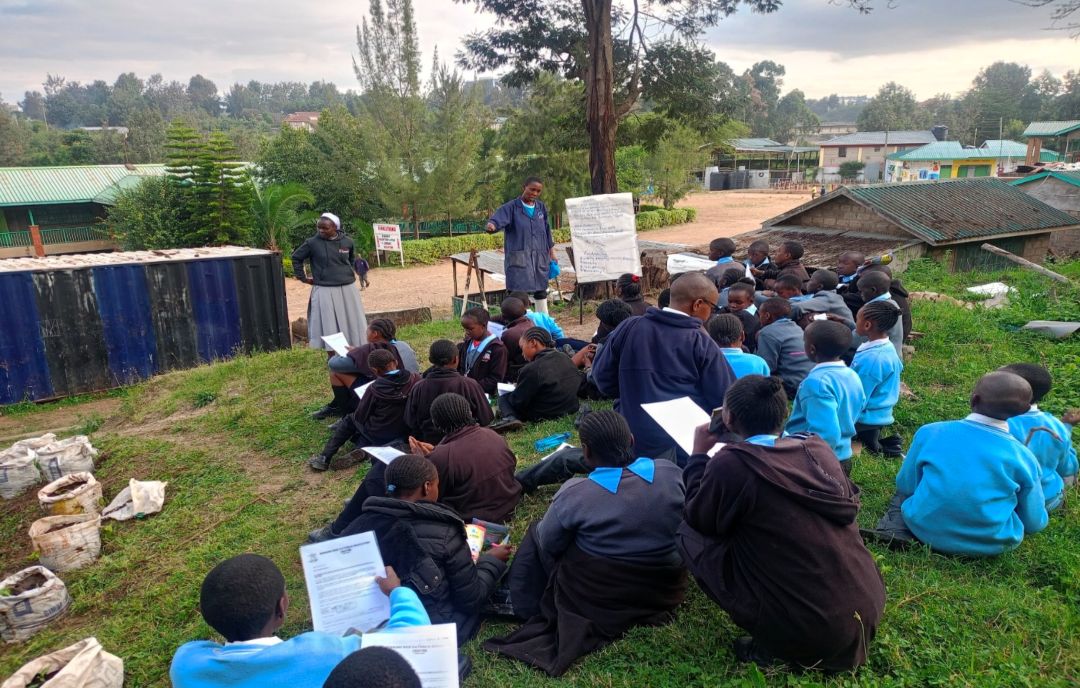
We implement this through an integrated model that combines digital and AI literacy, value based education, ethical leadership formation, and participatory media production. Our flagship programmes, including Digital Culture, Value Based Education, Angaza Dialogue Platform, Media, Children and Identity Formation, and Management Communication, engage young people alongside educators, parents, and institutional leaders.
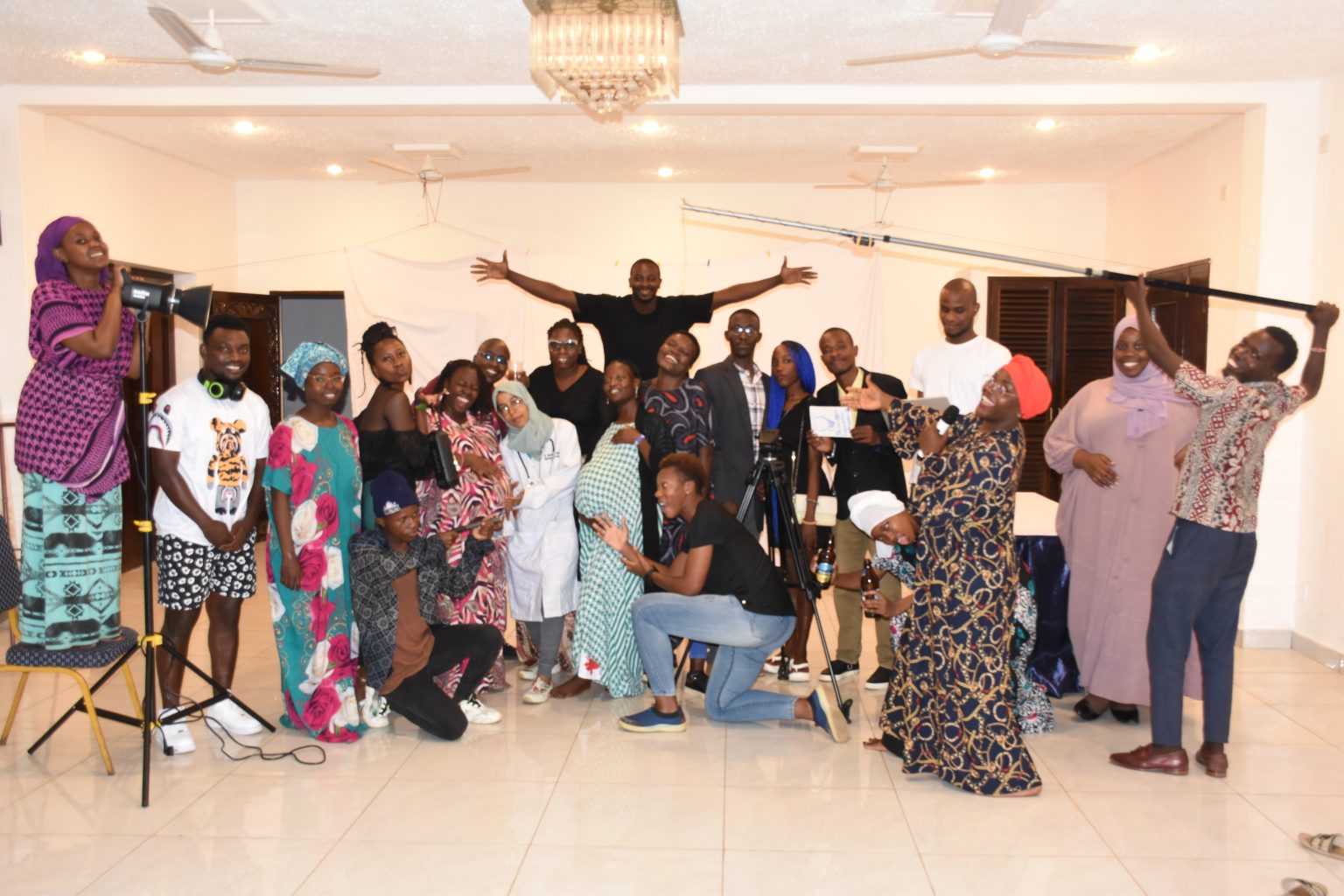
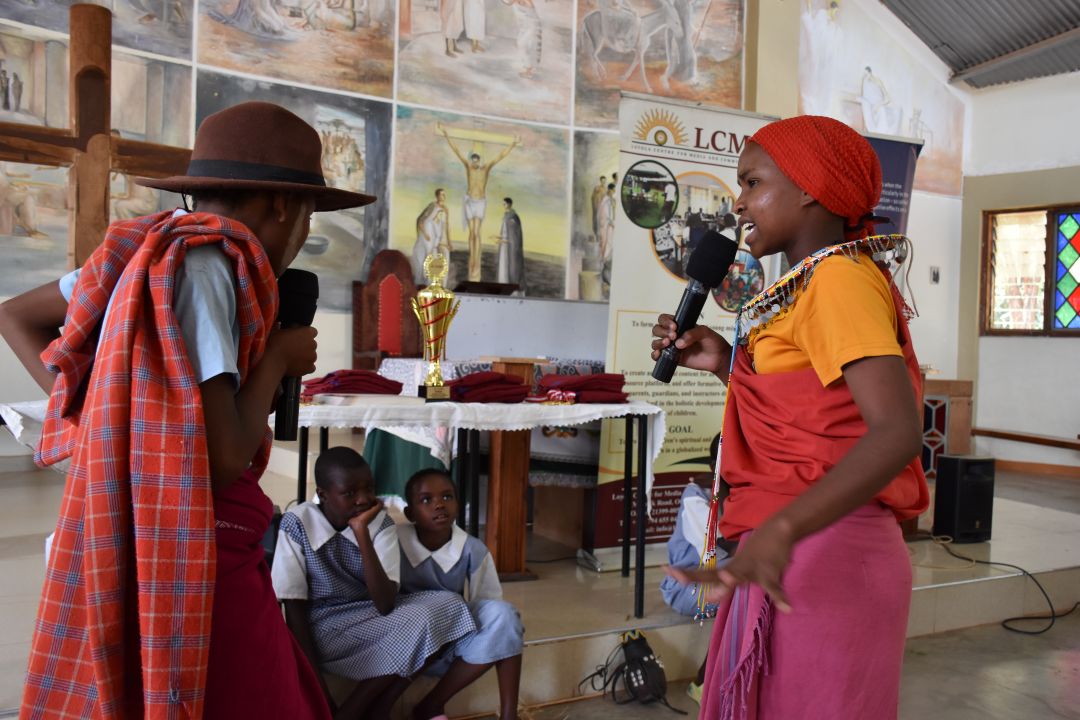
A defining feature of our work is participatory engagement. Young people are active co creators through storytelling, performing arts, and digital production, building agency, creativity, and locally grounded responses to social challenges.
Through our strategic focus on digital transformation, thought leadership, partnerships, and community mobilisation, we are scaling our reach and transitioning into a systems influencing institution. Our goal is clear: to ensure that media and technology become engines of ethical leadership, human development, and inclusive social transformation.