Uncategorized
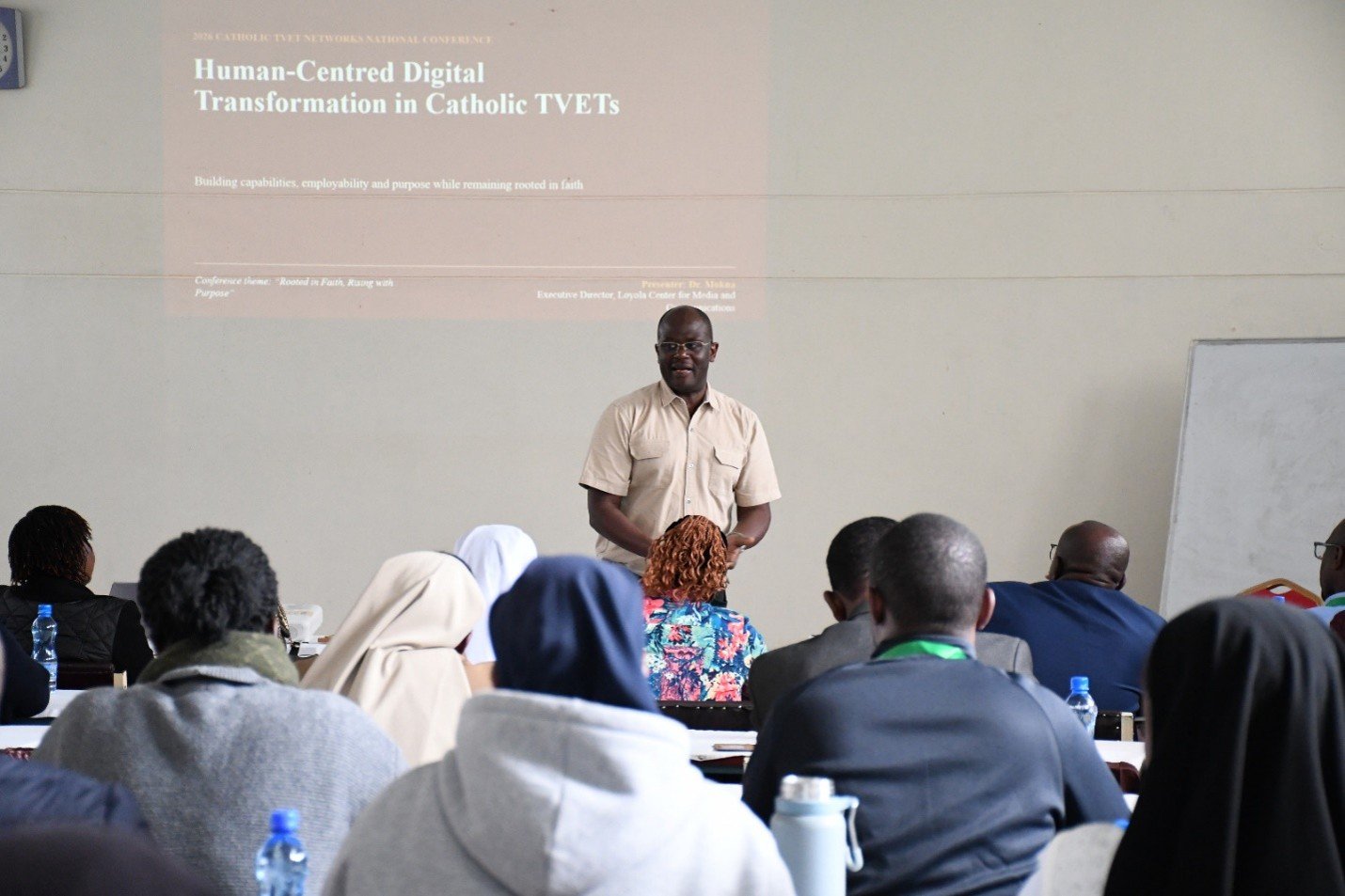
Who Is a Human in the Era of AI? Dr. Mokua Challenges…


Imagine walking into your teenager’s bedroom and asking them to delete their social media accounts. You’d likely be met with a look of pure devastation- not because they are addicted to a screen, but because you just asked them to cut off their entire social circle.
With global conversations leaning heavily toward strict social media bans for under16s, and the Kenyan government tightening its grip on global tech platforms to enforce child safety guidelines, the instinct to just ‘‘pull the plug’’ is stronger than ever. But as parents, educators, and mentors, we have to ask ourselves: are we trying to protect our children from the digital world, or are we equipping them to live in it?
For today’s young people, the internet is not a separate destination they visit. It is the community hall where they hang out, the canvas where they figure out who they are, and increasingly, the space where they learn and build future careers. When we push for total digital exclusion, we are not just turning off the noise; we are locking them out of their own world. Blanket bans ignore a fundamental reality: kids do not need digital lockouts; they need digital resilience.
True safety is not about building higher walls to keep youth out; it is about demanding better tech design and fostering open conversation. This means supporting platforms that practice ‘‘Safety by Design’’ – where high privacy settings are the default for minors, and algorithms do not exploit vulnerability for clicks.
More importantly, it requires us to step into the digital space with them as supportive guides, not tech police. Instead of monitoring them from a distance, we should be having open-table conversations about data privacy, cyberbullying, and how to spot online manipulation. But how can we do this if we do not have the knowhow?
At the Loyola Centre for Media and Communications (LCMC), we believe that a child’s identity should not be shaped by a restrictive ban, nor should it be left at the mercy of an unregulated algorithm. Let us stop trying to erase the digital world from our children’s lives. Instead, let us give them the emotional tools, the digital literacy, and the confidence to navigate it safely, purposefully, and on their own terms.
Who Is a Human in the Era of AI? Dr. Mokua Challenges…

UNICEF Estimates That 20 Million Children Experienced Online Sexual Exploitation or Abuse…
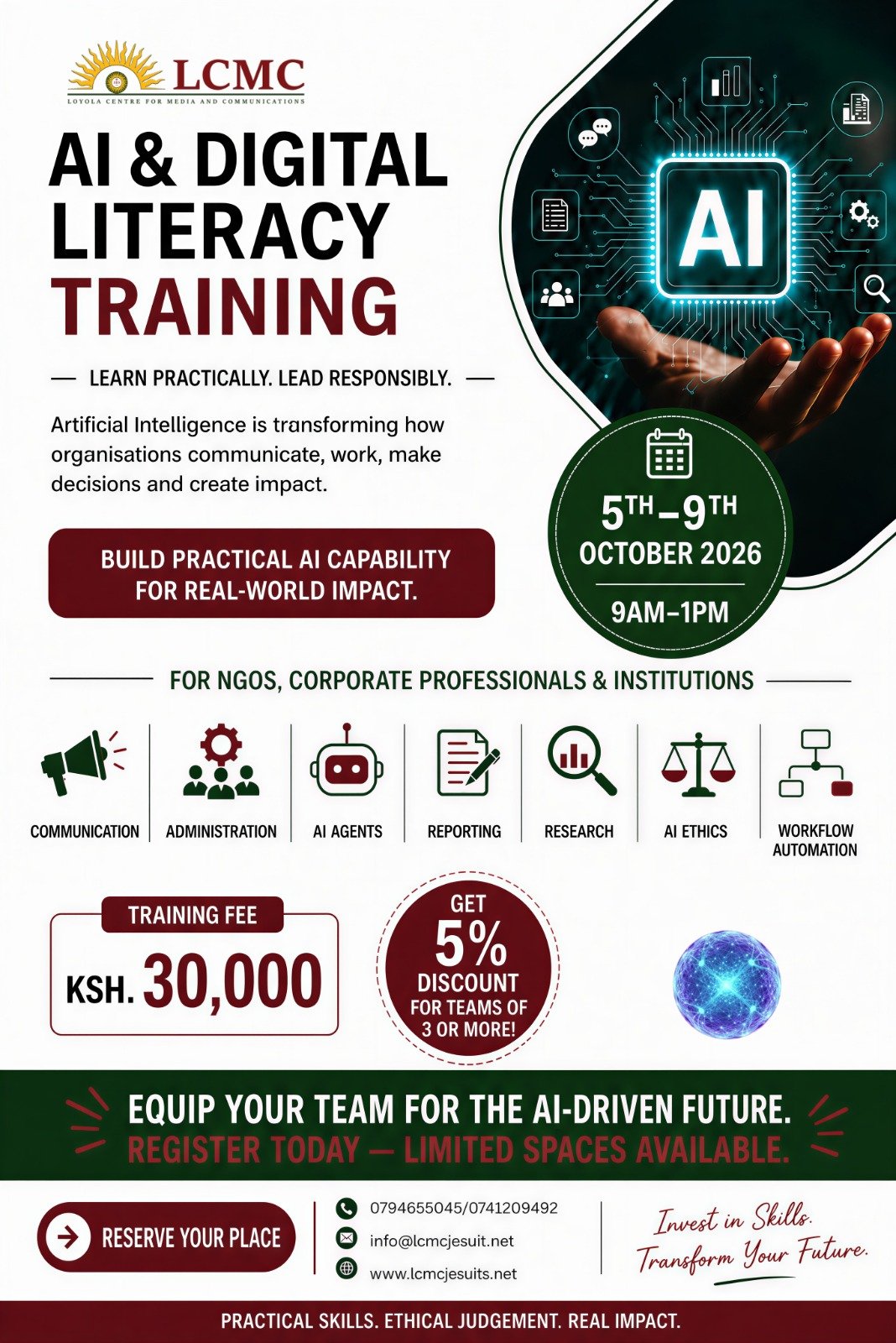
The Future Is Intelligent. Is Your Team Ready? Artificial intelligence is no…
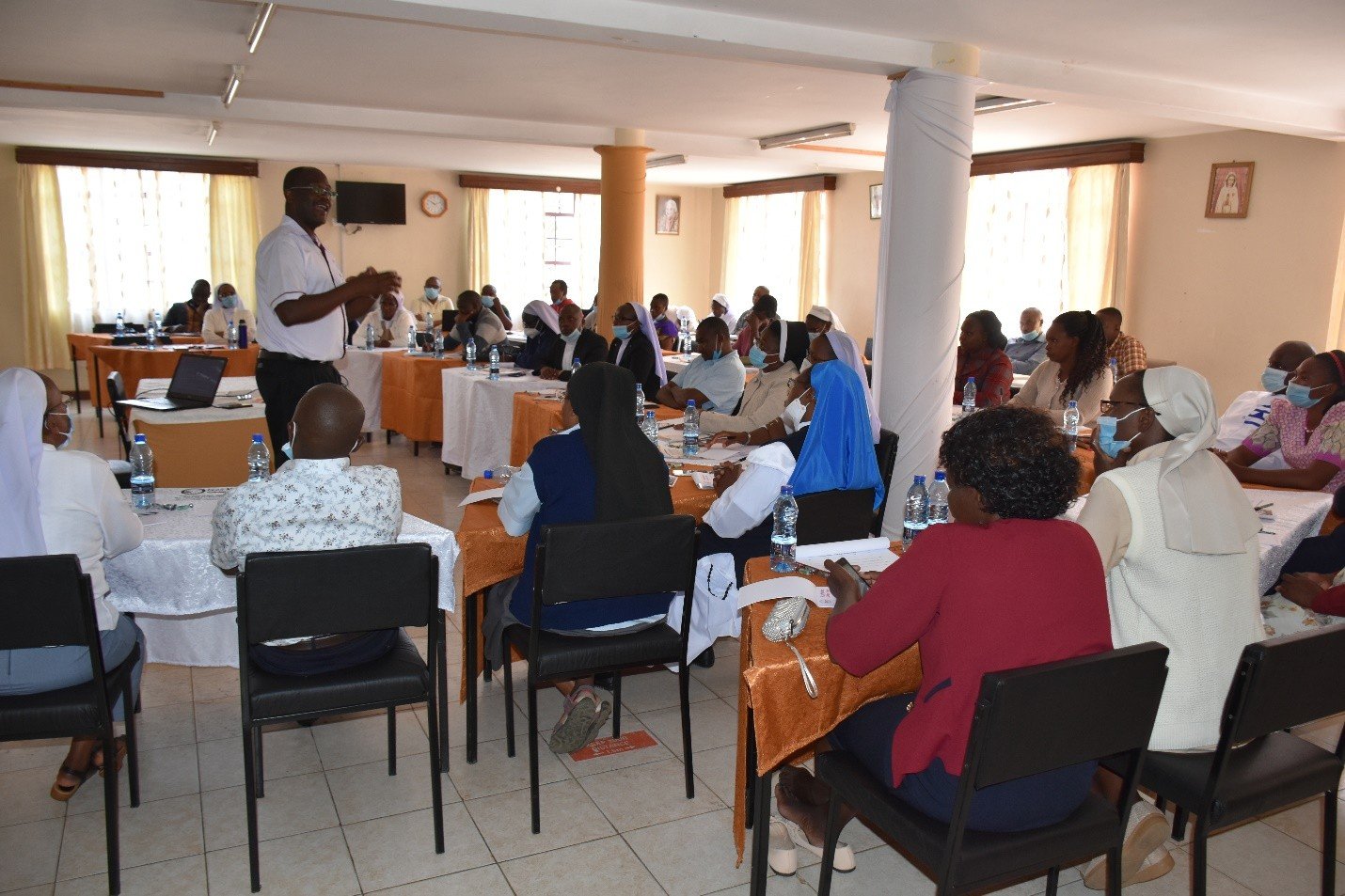
Don’t make children feel like Failures The mission of Loyola Centre for…
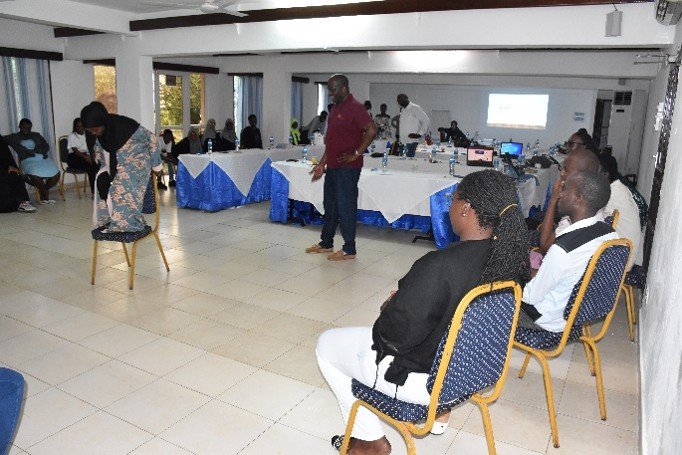
Mombasa’s Young Adults Embrace Digital Careers with Skills in Performance Art and…
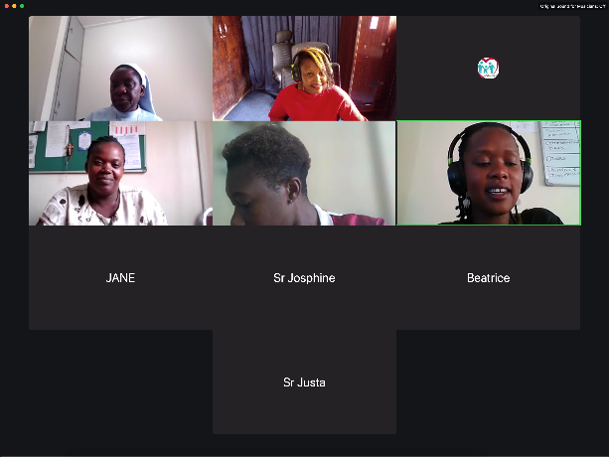
Catholic Child Care Leaders Showcase Photography Skills to Elevate Visual Storytelling In…
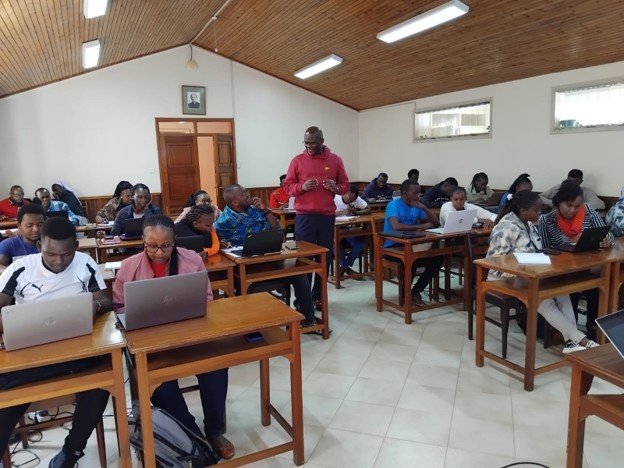
AI Training Ushers in a New Era for Parish Communication By Teresia…
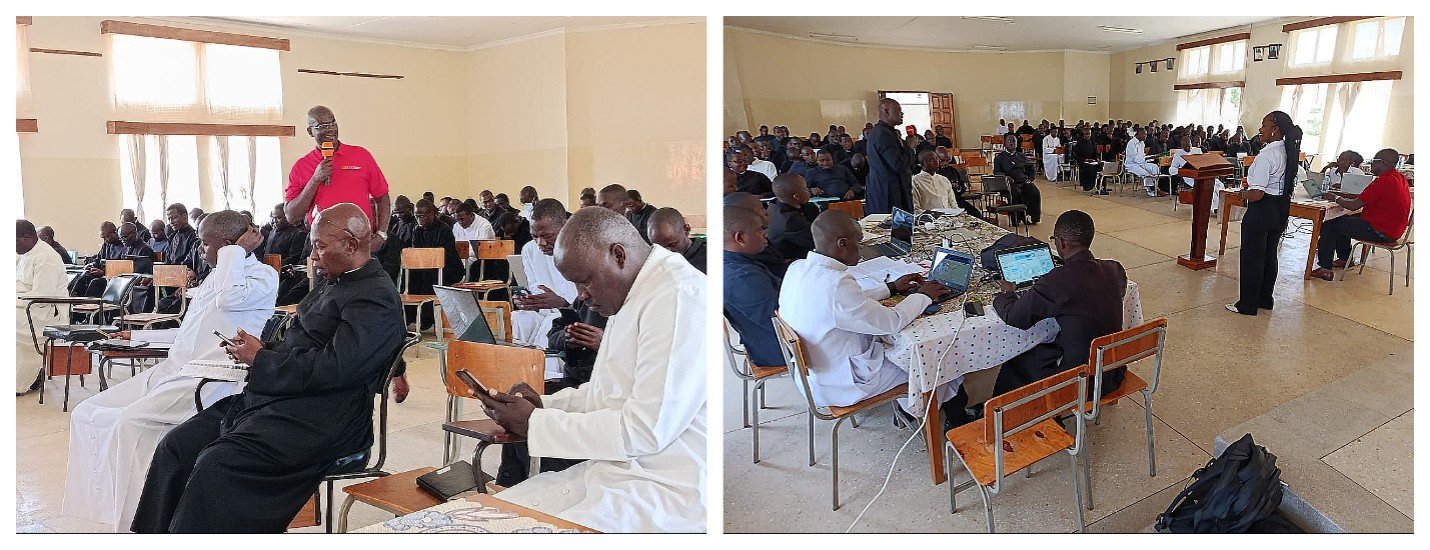
From Resistance to Discernment: The Church and AI By Teresia Muia As…
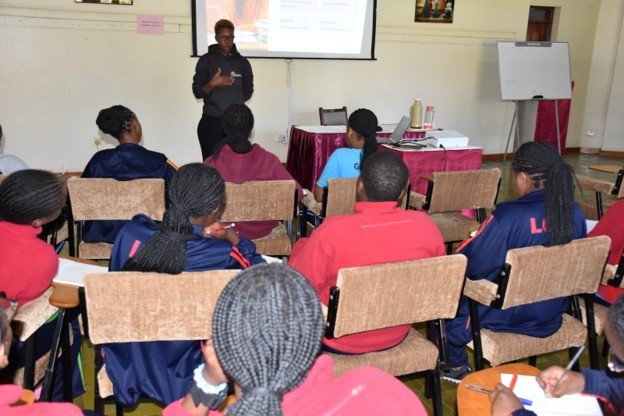
Making of Teenage Servant Leaders By Teresia Muia “Effective communication and conflict…
Loyola Centre for Media and Communications is a Jesuit initiative fostering resilient, value-driven youth across Eastern Africa through media, faith formation, and education for personal and social transformation.
LCMC, Riara Lane, off Riara Road at Hekima University College.

Good site! I truly love how it is simple on my eyes and the data are well written. I am wondering how I could be notified whenever a new post has been made. I have subscribed to your RSS feed which must do the trick! Have a great day!