A Global Church on The Move: Embracing Synodality across Continents
The synodal journey signifies a transformative shift in the Catholic Church’s approach to mission, governance, and community life. This movement towards increased synodality is not limited to one region but is a global phenomenon, with Churches across continents adopting and tailoring synodal practices to suit their unique contexts. This article delves into how Episcopal Conferences and local Churches worldwide are responding to the call for synodality, showcasing diverse approaches, successes, and lessons learned.
Understanding Synodality
Synodality, derived from the Greek word “synodos,” meaning “walking together,” highlights collective discernment, participation, and collaboration within the Church. It involves all Church members – clergy, religious, and laity – in the mission and decision-making processes, guided by the Holy Spirit.
Synodality in Action: Regional Perspectives
Asia: Enthusiasm and Integration
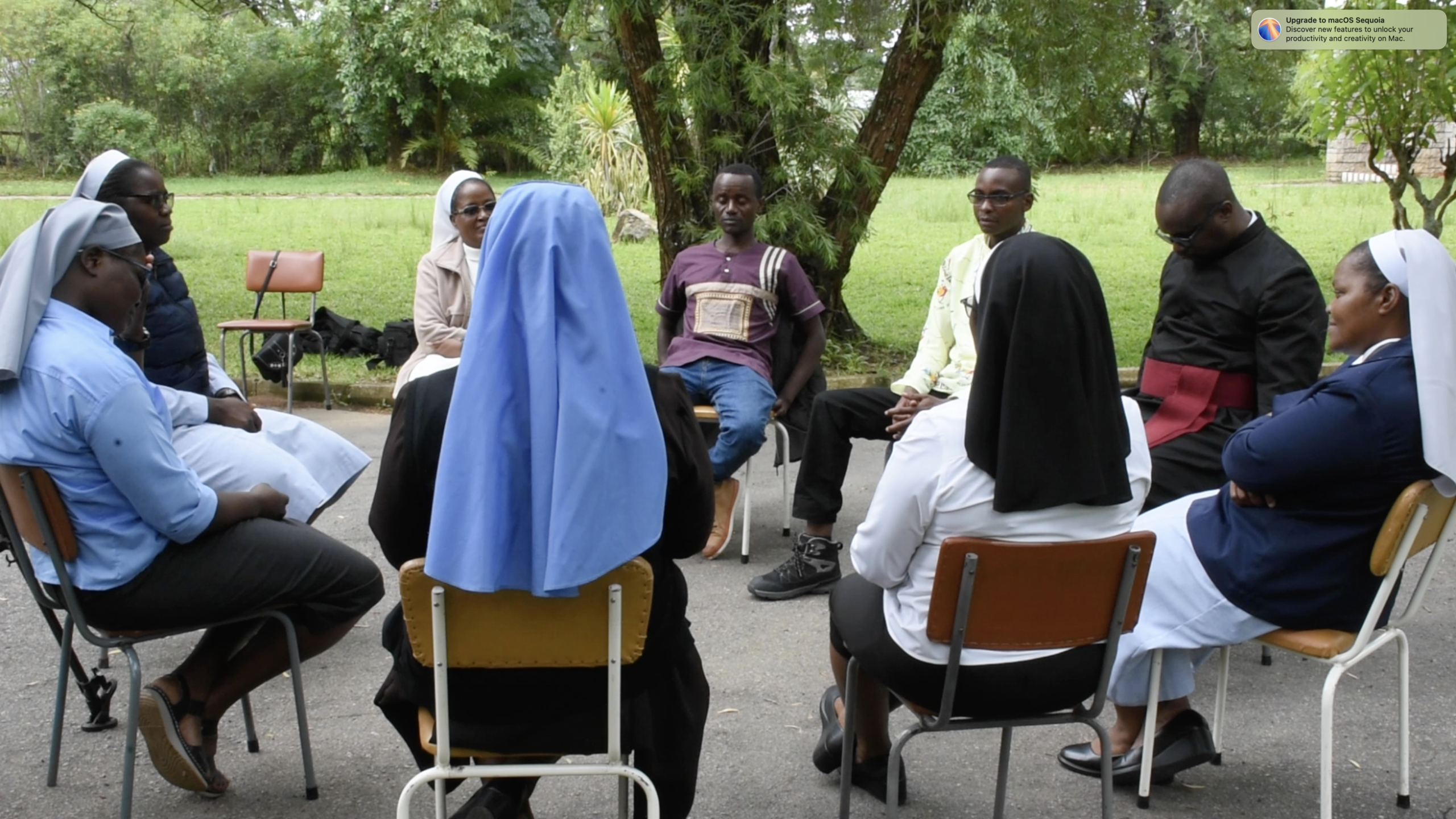
Asian Churches have enthusiastically adopted the “Conversation in the Spirit” methodology, integrating it into their existing structures with notable success. This approach has deepened engagement among the faithful, fostering vibrant and cohesive communities across culturally and linguistically diverse regions. A federation of Asian Episcopal Conferences noted, “Many dioceses and conferences have introduced this method into their existing structures with great success.”
Europe: Structured Experimentation
In Europe, a particular Episcopal Conference has launched a structured, five-year trial phase to develop and refine synodal practices. This comprehensive approach includes synodal consultation, dialogue, discernment, and decision-making processes, all under continuous evaluation and adaptation. Reflecting their commitment, the Conference stated, “We are at the beginning of a challenging but important learning journey.”
Africa: Empowerment and Contribution
African Churches are taking an active role in the universal Church, emphasizing the importance of their unique experiences and perspectives. Embracing synodality has allowed them to develop contextual theological insights that enrich the global Church. An African Episcopal Conference asserted, “Local Churches are not to be viewed and treated any more simply as recipients of the Gospel with nothing or very little to contribute.”
North America: Gratitude Amidst Tensions
The U.S. Church has expressed profound gratitude for the synodal journey, acknowledging the progress made in fostering a culture of encounter. While recognizing existing tensions, there is a commitment to continued reflection and dialogue to maintain and strengthen communion. The North American Episcopal Conference noted, These tensions need not disrupt the communion of charity in the Church.
Common Themes and Lessons Learned
Adaptability of Synodal Practices
The flexibility of synodality has allowed Churches to adapt practices to their specific cultural, social, and ecclesial contexts, with regions demonstrating creativity and resourcefulness in implementing synodal methods.
Challenges Encountered
Common challenges include effectively engaging and listening to those on the peripheries of society and the Church, managing logistical and resource constraints, and overcoming resistance to change from traditional hierarchical models to more participatory structures.
Importance of Ongoing Formation
Training and education are crucial for equipping clergy and laity with the skills and understanding needed to engage in synodal processes. Emphasizing prayer and discernment ensures that these activities remain grounded in the guidance of the Holy Spirit.
The Role of International Gatherings
International meetings, such as the “Parish Priests for the Synod,” provide platforms for sharing experiences, challenges, and best practices. These gatherings foster global solidarity and mutual support among Church leaders and communities, contributing to a more unified approach to synodality worldwide.
Strategies for Synod Enhancement
Strengthening Communication Channels
Encouraging inter-regional dialogue and leveraging technology can enhance connectivity and participation, especially in remote or underserved areas.
Focusing on Inclusivity
Proactive outreach to marginalized and underrepresented groups ensures a more comprehensive and authentic synodal process, cultivating a listening culture that values all voices.
Evaluating and Adapting Processes
Continuous assessment and a willingness to adapt practices based on feedback are key to enhancing the effectiveness and relevance of synodal efforts.
The global embrace of synodality marks a significant and hopeful development in the Catholic Church’s life. Across continents, diverse communities engage in profound processes of listening, dialogue, and discernment, enriching the Church’s mission and witness in the world. While challenges remain, the commitment and creativity demonstrated by local Churches offer promising paths forward. As the Church continues this journey, learning from and supporting one another, it moves closer to realizing a truly synodal, participatory, and missionary community that reflects the unity and diversity of the People of God.


A Global Church on The Move: Embracing Synodality across Continents
The synodal journey signifies a transformative shift in the Catholic Church’s approach to mission, governance, and community life. This movement towards increased synodality is not limited to one region but is a global phenomenon, with Churches across continents adopting and tailoring synodal practices to suit their unique contexts. This article delves into how Episcopal Conferences and local Churches worldwide are responding to the call for synodality, showcasing diverse approaches, successes, and lessons learned.
Understanding Synodality
Synodality, derived from the Greek word “synodos,” meaning “walking together,” highlights collective discernment, participation, and collaboration within the Church. It involves all Church members – clergy, religious, and laity – in the mission and decision-making processes, guided by the Holy Spirit.
Synodality in Action: Regional Perspectives
Asia: Enthusiasm and Integration
Asian Churches have enthusiastically adopted the “Conversation in the Spirit” methodology, integrating it into their existing structures with notable success. This approach has deepened engagement among the faithful, fostering vibrant and cohesive communities across culturally and linguistically diverse regions. A federation of Asian Episcopal Conferences noted, “Many dioceses and conferences have introduced this method into their existing structures with great success.”
Europe: Structured Experimentation
In Europe, a particular Episcopal Conference has launched a structured, five-year trial phase to develop and refine synodal practices. This comprehensive approach includes synodal consultation, dialogue, discernment, and decision-making processes, all under continuous evaluation and adaptation. Reflecting their commitment, the Conference stated, “We are at the beginning of a challenging but important learning journey.”
Africa: Empowerment and Contribution
African Churches are taking an active role in the universal Church, emphasizing the importance of their unique experiences and perspectives. Embracing synodality has allowed them to develop contextual theological insights that enrich the global Church. An African Episcopal Conference asserted, “Local Churches are not to be viewed and treated any more simply as recipients of the Gospel with nothing or very little to contribute.”
North America: Gratitude Amidst Tensions
The U.S. Church has expressed profound gratitude for the synodal journey, acknowledging the progress made in fostering a culture of encounter. While recognizing existing tensions, there is a commitment to continued reflection and dialogue to maintain and strengthen communion. The North American Episcopal Conference noted, These tensions need not disrupt the communion of charity in the Church.
Common Themes and Lessons Learned
Adaptability of Synodal Practices
The flexibility of synodality has allowed Churches to adapt practices to their specific cultural, social, and ecclesial contexts, with regions demonstrating creativity and resourcefulness in implementing synodal methods.
Challenges Encountered
Common challenges include effectively engaging and listening to those on the peripheries of society and the Church, managing logistical and resource constraints, and overcoming resistance to change from traditional hierarchical models to more participatory structures.
Importance of Ongoing Formation
Training and education are crucial for equipping clergy and laity with the skills and understanding needed to engage in synodal processes. Emphasizing prayer and discernment ensures that these activities remain grounded in the guidance of the Holy Spirit.
The Role of International Gatherings
International meetings, such as the “Parish Priests for the Synod,” provide platforms for sharing experiences, challenges, and best practices. These gatherings foster global solidarity and mutual support among Church leaders and communities, contributing to a more unified approach to synodality worldwide.
Strategies for Synod Enhancement
Strengthening Communication Channels
Encouraging inter-regional dialogue and leveraging technology can enhance connectivity and participation, especially in remote or underserved areas.
Focusing on Inclusivity
Proactive outreach to marginalized and underrepresented groups ensures a more comprehensive and authentic synodal process, cultivating a listening culture that values all voices.
Evaluating and Adapting Processes
Continuous assessment and a willingness to adapt practices based on feedback are key to enhancing the effectiveness and relevance of synodal efforts.
The global embrace of synodality marks a significant and hopeful development in the Catholic Church’s life. Across continents, diverse communities engage in profound processes of listening, dialogue, and discernment, enriching the Church’s mission and witness in the world. While challenges remain, the commitment and creativity demonstrated by local Churches offer promising paths forward. As the Church continues this journey, learning from and supporting one another, it moves closer to realizing a truly synodal, participatory, and missionary community that reflects the unity and diversity of the People of God.
Share This:
Related Posts
Who Is a Human in the Era of AI? Dr. Mokua Challenges…
UNICEF Estimates That 20 Million Children Experienced Online Sexual Exploitation or Abuse…
The Future Is Intelligent. Is Your Team Ready? Artificial intelligence is no…
Don’t make children feel like Failures The mission of Loyola Centre for…
Mombasa’s Young Adults Embrace Digital Careers with Skills in Performance Art and…
Catholic Child Care Leaders Showcase Photography Skills to Elevate Visual Storytelling In…
AI Training Ushers in a New Era for Parish Communication By Teresia…
From Resistance to Discernment: The Church and AI By Teresia Muia As…
Making of Teenage Servant Leaders By Teresia Muia “Effective communication and conflict…